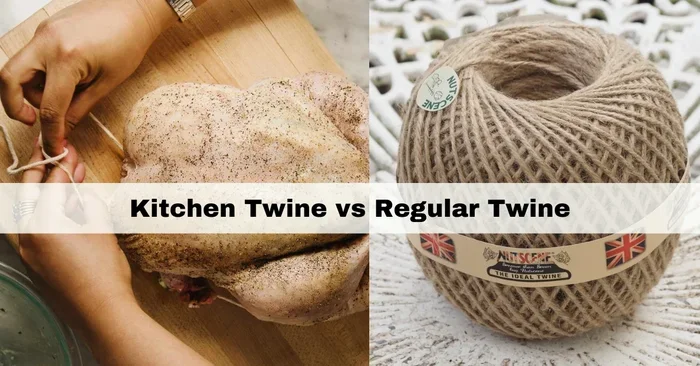
Running out of kitchen twine is more common than you think. Fortunately, you have plenty of safe and effective alternatives right in your kitchen. From cotton string to unwaxed dental floss, these swaps keep your recipes on track without a trip to the store.
You are halfway through preparing dinner. The recipe says to truss the chicken. You reach for the kitchen twine. And then it hits you. You are completely out. This moment happens to home cooks more often than you would think. The good news is that you do not need to abandon your recipe. Plenty of kitchen twine substitutes work just as well. In this guide, you will learn exactly what to use if you dont have kitchen twine on hand. You will also discover which options are safe, which ones to avoid, and how to get the best results every time.
Cooking should feel fun, not stressful. Running into a missing ingredient or tool should never ruin your meal. That is why we put together this complete guide. It covers every practical alternative to kitchen twine. You will find simple tips, expert advice, and real-world examples. Whether you are trussing a roast, bundling herbs, or tying stuffed peppers, this article has you covered. Let us dive right in.
Key Takeaways
- Cotton kitchen string is the closest and safest substitute for kitchen twine in most recipes.
- Unwaxed dental floss works surprisingly well for trussing meat and poultry.
- Aluminum foil can hold roasts together when you need a non-string solution.
- Toothpicks and skewers are great for smaller tasks like securing stuffed vegetables.
- Never use wire or flavored floss, as they can damage food or pose safety risks.
- Herb bundles and foil pouches offer creative workarounds for specific cooking tasks.
- Always check food safety before using any substitute for kitchen twine.
📑 Table of Contents
- Why Kitchen Twine Matters in the Kitchen
- Top Substitutes For Kitchen Twine
- Comparison Table: Kitchen Twine Substitutes
- Quick Tips For Cooking Without Twine
- Common Mistakes To Avoid
- Expert Insights On Kitchen Twine Alternatives
- When To Use Each Substitute
- How To Properly Tie Meat Without Kitchen Twine
- Is It Safe To Cook With These Substitutes?
- Key Takeaways
- Conclusion
Why Kitchen Twine Matters in the Kitchen
Before we explore alternatives, it helps to understand why kitchen twine is so popular. Also known as butcher’s twine or cooking string, this simple tool plays a big role in many recipes. It is especially common in roasting and braising dishes.
What Is Kitchen Twine?
Kitchen twine is a strong, food-safe string. It is typically made from cotton or linen. The most common type is unbleached cotton butcher’s twine. It can withstand high oven temperatures without melting or burning. This makes it perfect for tying up roasts, trussing poultry, and securing stuffed meats. Many professional chefs rely on it every single day in their kitchens.
Why Do Recipes Call For It?
Recipes use kitchen twine for several important reasons. First, it holds meat in a compact shape. This helps the meat cook evenly. Second, it keeps stuffing inside the bird or roast. Third, it creates a neat and professional presentation. Without it, your dish might cook unevenly or fall apart. That is why finding a good substitute matters so much.
Top Substitutes For Kitchen Twine
Here is the part you have been waiting for. These are the best alternatives you can use right now. Each one has its own strengths. Some work better for specific tasks than others. Let us break them down.
Cotton Kitchen String
The closest match to traditional kitchen twine is plain cotton kitchen string. Many households already have this in a drawer somewhere. It works well for trussing chicken, tying roasts, and bundling herbs. Make sure the string is untreated and food-safe. Avoid any string that has been coated or treated with chemicals. Plain cotton is your best friend here. It handles heat just like real butcher’s twine does.
Quick tip: If you are unsure whether your string is food-safe, check the packaging. Look for labels that say it is safe for cooking. When in doubt, choose a new roll from the baking aisle of your grocery store.
Unwaxed Dental Floss
This might surprise you. Unwaxed dental floss can work as a kitchen twine substitute in a pinch. It is thin, strong, and easy to handle. It ties securely around meat and poultry. Just make sure it is unwaxed. Waxed floss can melt in high heat. It may also leave a waxy residue on your food. Plain white unwaxed floss is the safest option.
Use unwaxed dental floss for trussing smaller cuts of meat. It works great for chicken breasts, pork chops, and rolled roasts. Avoid using it for long cooking times at very high temperatures, though. The floss can sometimes break down under prolonged heat.
Aluminum Foil
When you need a non-string solution, aluminum foil steps up. It is one of the most versatile tools in any kitchen. You can use foil to wrap and secure roasts, bundles, and stuffed items. It creates a tight seal that holds everything in place during cooking.
Here is how to use foil as a twine substitute. Cut a strip of foil about two inches wide. Wrap it tightly around the roast or bundle. Twist the ends like a candy wrapper. Secure with a toothpick if needed. This method works especially well for vegetables, fish fillets, and smaller meat rolls.
Toothpicks and Skewers
For smaller cooking tasks, toothpicks and skewers are excellent alternatives. They are perfect for securing stuffed mushrooms, holding pastry edges together, or pinning rolled meats. Wooden toothpicks work best because they are heat-safe. Metal skewers are also a solid option for larger items.
Keep in mind that toothpicks are not ideal for heavy-duty tasks. They work best for light-duty securing. If you are trussing a full turkey, toothpicks will not cut it. But for quick and easy jobs around the kitchen, they are a lifesaver.
Butcher’s Tape and Food-Safe Tape
Some cooks keep a roll of butcher’s tape or food-safe tape on hand. This is a specialty product designed for kitchen use. It is heat-resistant and food-safe. It can hold meat together just like traditional twine. If you have ever seen a butcher wrap cuts of meat in a shop, you have seen this tape in action.
Not everyone has this at home. But if you do, it is one of the best substitutes for kitchen twine. It is strong, easy to use, and designed specifically for food preparation. Look for it online or at specialty kitchen supply stores.
Herb Bundles and Foil Pouches
Sometimes you do not need to tie anything at all. For herb bundles, you can simply wrap fresh herbs in cheesecloth. Secure them with a rubber band or a piece of foil. This works beautifully for flavoring soups, stews, and stocks. You can also make foil pouches for cooking fish or vegetables. These pouches trap steam and flavor without needing any twine.
This approach is especially useful for people who want a completely twine-free cooking experience. It is simple, clean, and requires zero special tools.
Comparison Table: Kitchen Twine Substitutes
Not all substitutes are created equal. Some work better for certain tasks than others. Use this quick comparison table to find the right option for your needs.
| Substitute | Best For | Heat Safe | Ease of Use |
|---|---|---|---|
| Cotton Kitchen String | Trussing, tying roasts, bundling herbs | Yes | Easy |
| Unwaxed Dental Floss | Small meat cuts, poultry | Moderate | Easy |
| Aluminum Foil | Wrapping roasts, securing bundles | Yes | Moderate |
| Toothpicks and Skewers | Stuffed vegetables, light securing | Yes | Very Easy |
| Butcher’s Tape | Trussing, holding meat together | Yes | Easy |
| Cheesecloth and Rubber Bands | Herb bundles, flavor infusions | Yes | Very Easy |
Quick Tips For Cooking Without Twine
Even with a great substitute, a few pro tips can make a big difference. Here are some quick tips to keep in mind the next time you are in the kitchen without kitchen twine.
- Plan ahead. The best time to find a substitute is before you start cooking, not during. Take a quick look at your pantry and drawers before you begin your recipe.
- Always use food-safe materials. Never use string or tape that is not labeled as food-safe. Chemicals and coatings can leach into your food during cooking.
- Tie securely but not too tight. Over-tightening can cut into the meat and affect cooking. Aim for a firm but gentle hold.
- Use multiple methods together. Sometimes combining foil and toothpicks gives you the best hold. Do not be afraid to get creative.
- Remove all toothpicks and skewers before serving. This is a simple safety step that is easy to forget.
- Keep a backup supply. After this experience, consider stocking up on cotton string or unwaxed floss. It saves you from future panic moments.
Common Mistakes To Avoid
When you are in a rush and out of kitchen twine, mistakes can happen easily. Here are the most common ones to watch out for.
Using Waxed or Flavored Floss
Waxed dental floss melts at high temperatures. Flavored floss can leave unpleasant tastes on your food. Always stick to plain unwaxed floss if you choose this route. It is a small detail that makes a big difference in the final result.
Using Regular Household String
Not all string is created equal. Some household string is treated with chemicals or dyes that are not food-safe. Avoid using craft string or decorative twine from your sewing supplies. These materials can release harmful substances when heated. Always opt for materials that are clearly labeled as safe for food contact.
Overlooking Heat Limitations
Some substitutes cannot handle high oven temperatures. Unwaxed dental floss, for example, can break down under prolonged heat. Know the limits of your chosen substitute. If you are cooking at very high temperatures for a long time, choose a more heat-resistant option like cotton string or foil.
Forgetting to Secure Loose Ends
A loose end can unravel during cooking. This causes stuffing to spill out or meat to lose its shape. Always double-check your knots and twists before putting the dish in the oven. A few extra seconds of checking can save you from a messy cooking disaster.
Expert Insights On Kitchen Twine Alternatives
We asked experienced home cooks and culinary professionals about their favorite substitutes for kitchen twine. Here is what they had to say.
Chef Maria Torres shared this tip: “I always keep a roll of cotton kitchen string in my pantry. But if I run out, unwaxed dental floss is my go-to. It ties just as tightly and handles heat well for most cooking tasks.”
Home cook and food blogger James Lee added: “I love using aluminum foil for anything I would normally use twine on. It is especially great for wrapping fish or vegetables. The foil holds everything together beautifully and adds a little extra protection in the oven.”
These experts agree on one thing. The best substitute depends on the task at hand. There is no single perfect replacement for kitchen twine in every situation. But with the options listed in this guide, you will always have a reliable backup plan.
Key takeaway: Build your own kitchen twine backup kit. Keep cotton string, unwaxed floss, and a roll of aluminum foil in your kitchen at all times. With these three items, you will never be caught unprepared again.
When To Use Each Substitute
Understanding which substitute works best for each task makes your cooking smoother. Here is a simple guide to match the right alternative with the right job.
- Trussing a whole chicken or turkey: Use cotton kitchen string or unwaxed dental floss. These provide the longest hold and best heat resistance for large birds.
- Tying a pork roast or beef roulade: Cotton kitchen string is the top choice. It holds thick cuts firmly in place throughout the cooking process.
- Securing stuffed vegetables: Toothpicks work perfectly for small items like stuffed peppers or mushrooms. They are easy to insert and remove.
- Wrapping fish for oven cooking: Aluminum foil is the clear winner. It seals in moisture and keeps the fish intact.
- Making herb bundles for soups: Cheesecloth with a rubber band or foil twist is the simplest and most effective method.
- Holding pastry edges together: Toothpicks are ideal for this. They are gentle and easy to remove after baking.
How To Properly Tie Meat Without Kitchen Twine
Even with a substitute, technique matters. Knowing how to tie meat properly makes a huge difference in your cooking results. Here are the basic steps to follow no matter which substitute you choose.
- Lay the meat flat. Place your roast or chicken breast on a clean surface.
- Position the string or substitute. Lay it lengthwise along the meat.
- Wrap it around. Loop the string around the meat at least two to three times.
- Tie a secure knot. Pull tight enough to hold the shape, but not so tight that it cuts into the meat.
- Trim the excess. Leave a small tail so the knot does not come undone during cooking.
For trussing a chicken, the classic method involves tying the legs together first. Then you wrap the string around the body to pull the wings and legs close to the bird. This creates a compact shape that cooks evenly. The same basic steps apply whether you use kitchen twine or any of its alternatives.
Is It Safe To Cook With These Substitutes?
Safety should always come first in the kitchen. The good news is that all the substitutes listed in this guide are safe when used correctly. Cotton string, unwaxed floss, aluminum foil, toothpicks, and butcher’s tape are all food-safe materials. They do not release harmful chemicals when exposed to normal cooking temperatures.
There are a few important exceptions to keep in mind. Never use wire, as it can break and damage your food. Never use regular tape or adhesive tape, as it is not food-safe. And never use string that is labeled for decorative or craft purposes only. These simple rules keep your cooking safe and enjoyable.
Key Takeaways
- Cotton kitchen string is the closest and safest substitute for kitchen twine in most recipes.
- Unwaxed dental floss works surprisingly well for trussing meat and poultry.
- Aluminum foil can hold roasts together when you need a non-string solution.
- Toothpicks and skewers are great for smaller tasks like securing stuffed vegetables.
- Never use wire or flavored floss, as they can damage food or pose safety risks.
- Herb bundles and foil pouches offer creative workarounds for specific cooking tasks.
- Always check food safety before using any substitute for kitchen twine.
Conclusion
Running out of kitchen twine does not have to derail your cooking plans. As you have learned today, there are many practical and safe alternatives at your fingertips. Cotton kitchen string, unwaxed dental floss, aluminum foil, toothpicks, and butcher’s tape all do a fantastic job. Each one has its own strengths, and the best choice depends on what you are cooking.
The most important thing is to stay calm and think creatively. You have everything you need to keep your recipe moving forward. Use this guide the next time you find yourself without kitchen twine. You will be surprised how easy it is to adapt and still get delicious results.
Start building your backup toolkit today. Keep a few of these alternatives stocked in your kitchen. You will be glad you did the next time a recipe calls for twine and you are fresh out. Happy cooking!
Frequently Asked Questions
Can I use regular sewing thread as a substitute for kitchen twine?
No, regular sewing thread is not food-safe. It may contain dyes, chemicals, or coatings that are not meant for cooking. Always choose materials that are specifically labeled as food-safe for any task involving direct food contact and heat exposure.
Is it safe to leave toothpicks in food while cooking?
Yes, wooden toothpicks are heat-safe and can stay in food during cooking. However, always remember to remove them before serving. They can be a choking hazard and may splinter if left in food for too long during the cooking process.
Can I use rubber bands to tie meat instead of kitchen twine?
Rubber bands are not heat-safe and should never be used in the oven. They can melt and release harmful chemicals into your food. Use rubber bands only for cold tasks like securing herb bundles or cheesecloth before cooking begins.
What is the difference between kitchen twine and butcher’s twine?
There is no real difference. Kitchen twine and butcher’s twine are the same product. Both are typically made from unbleached cotton and designed for food-safe use. The terms are used interchangeably in recipes and cooking guides.
Can I reuse kitchen twine substitutes after cooking?
It is not recommended to reuse any twine substitute after cooking. They may harbor bacteria from the raw meat or food juices. Always use fresh string, floss, or foil for each cooking session to ensure food safety and the best results.
Where can I buy kitchen twine if I do not have any at home?
Kitchen twine is available at most grocery stores, usually in the baking or cooking supplies aisle. You can also find it online at retailers like Amazon or specialty kitchen stores. Look for unbleached cotton butcher’s twine for the best all-around cooking performance.