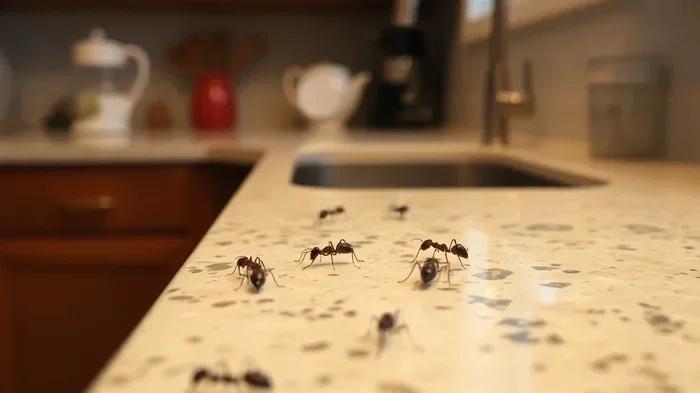
Ants in kitchen what to do is a question almost every homeowner faces at some point. Whether you are dealing with sugar ants or a full-blown ant infestation, there are simple and effective solutions that really work. This guide covers quick fixes, prevention strategies, and professional options to help you get rid of ants fast and keep them from coming back.
Key Takeaways
- Act fast: The sooner you address ants in kitchen what to do, the easier it is to control the problem.
- Use natural remedies first: Vinegar, baking soda, and essential oils are safe and effective natural ant remedies.
- Bait is better than spray: Ant baits kill the entire ant colony, not just the ants you see.
- Prevention is key: Sealing entry points and keeping a clean kitchen stops ants before they start.
- Know when to call a pro: Large infestations need professional ant control solutions.
- Avoid common mistakes: Spraying only visible ants and ignoring trails makes the ant problem worse.
📑 Table of Contents
Why Ants Keep Showing Up in Your Kitchen
Ants in kitchen what to do is a question almost every homeowner asks at some point. These tiny invaders seem to appear out of nowhere. One moment your counter is clean, and the next, there is a line of ants marching across your countertop. Understanding why they come inside is the first step to solving the problem.
Ants are not random. They follow trails. They seek food, water, and shelter. Your kitchen offers all three. Crumbs on the counter, standing water in the sink, and warm corners behind appliances create the perfect environment. Once a scout ant finds a food source, it leaves a scent trail for others to follow. This is why a few ants quickly turn into hundreds.
Different ant species behave differently. Sugar ants prefer sweet foods like fruit juice and honey. Carpenter ants chew through wood. Pharaoh ants are tiny and love warm, humid spaces. Knowing which type of household ant you are dealing with helps you choose the right treatment. But no matter the species, the basic approach stays the same. Remove what attracts them, block how they get in, and eliminate the colony.
What Attracts Ants to Your Kitchen
Several things draw ants into your kitchen. Sweet foods like sugar, honey, and fruit are major attractants. But ants also seek protein and grease. Crumbs of bread, pet food left out, and even grease spots on the stove can bring them in. Moisture is another big factor. Leaky faucets and damp sponges give ants the water they need to survive.
Ants also look for shelter, especially during bad weather. When it gets hot, rainy, or cold outside, your kitchen walls and floors become attractive hiding spots. Certain ant species, like carpenter ants, may even nest inside walls or wood structures near your home. This makes early ant prevention essential. The longer you wait, the harder the problem becomes.
How Ants Find Food So Fast
Ants have an incredible sense of smell. They can detect food sources from far away. A single ant scout can find a crumb on your kitchen floor in seconds. Once it does, it goes back to the colony and leads a trail of worker ants to the food. This is why you often see ants in a straight line. They are following a pheromone trail left by the first scout.
Breaking this trail is key. If you just wipe up the ants you see, the trail remains. Other ants will follow it and find the same food source again. This is why ant prevention requires more than just sweeping the floor. You need to eliminate the scent trail and remove the attractant. Vinegar solutions and soapy water work well for this purpose.
Quick Fixes That Actually Work Right Now
When you spot ants in your kitchen, you want results fast. The good news is that many quick fixes work immediately. You do not need expensive products or professional help for small infestations. Here are the most effective methods that really work.
The Vinegar Spray Method
White vinegar is one of the best natural solutions for ants in kitchen what to do. Vinegar destroys the scent trails ants use to navigate. Mix equal parts white vinegar and water in a spray bottle. Spray it directly on the ants, along their trails, and on surfaces where you have seen them.
The acid in vinegar kills ants on contact. It also leaves a strong smell that masks the trail pheromones. Wipe down your countertops, floors, and sink areas with this solution daily. It is safe, non-toxic, and safe around food prep areas. For best results, spray the vinegar solution every morning and evening. This simple habit can prevent ants from establishing trails in your kitchen.
Quick Tip: Add a few drops of lemon juice to your vinegar spray. The citrus scent adds extra repelling power and makes your kitchen smell fresh.
Baking Soda and Powdered Sugar Trick
This is a classic DIY ant remedy that actually works. Mix equal parts baking soda and powdered sugar in a small bowl. Place it near the ant trails you have spotted. The powdered sugar attracts the ants. They eat the mixture and carry it back to the colony. The baking soda reacts with the acid in their stomachs and kills them.
This method takes a little patience. It does not kill ants instantly like a spray does. But it targets the whole colony, including the queen. Within a few days, you should see a significant drop in ant activity. This is one of the most effective natural ant remedies you can try at home. It is cheap, safe, and easy to make whenever you need it.
Using Essential Oils as a Natural Deterrent
Certain essential oils are powerful ant repellents. Peppermint oil, tea tree oil, and lemon oil work especially well. Ants hate the strong scent of these oils. It disrupts their ability to follow trails and stay away from treated areas.
Add 10 to 15 drops of peppermint oil to a cup of water. Pour it into a spray bottle and mist it along ant entry points, windowsills, and baseboards. You can also soak cotton balls in essential oil and place them near cracks and gaps. Reapply every few days for continuous protection. This is a great way to keep ants out without using harsh chemicals in your kitchen.
Best Ant Baits and Traps for Kitchen Ants
When natural methods are not enough, ant baits and traps are the next best step. Baits are far more effective than sprays because they target the entire colony. The worker ants carry the bait back to the nest and share it with the queen. This means you kill the source of the problem, not just the ants you can see.
Commercial Ant Baits Worth Trying
There are many commercial ant baits available at hardware stores and online. Terro liquid ant baits are one of the most popular choices. They come in small stations that you place near ant trails. The bait attracts ants, they carry it back to the colony, and the whole nest gets eliminated.
Another strong option is Advion ant gel. It is a concentrated gel bait that works on many ant species. You apply small dots along trails and near entry points. The ants eat the gel and bring it back to the nest. Most users see results within 24 to 48 hours.
When choosing a bait, look for products labeled for indoor use. Make sure the bait is safe to use near food prep areas. Always follow the instructions on the label carefully. Place bait stations near the trails you have spotted but away from children and pets.
DIY Ant Bait Recipes
If you prefer a homemade approach, you can make your own ant bait. Mix one part borax with three parts powdered sugar. Add just enough water to make a paste. Place small amounts on a piece of cardboard near ant trails. The sugar attracts the ants, and the borax does the rest.
Important safety note: Keep borax baits away from pets and children. Borax can be harmful if ingested in large amounts. Place bait stations in areas that are out of reach. If you have pets or young kids, stick with commercial baits that are specifically designed to be child and pet safe. Always read labels and store all ant control products securely.
How to Prevent Ants from Coming Back
Getting rid of ants is only half the battle. The real challenge is keeping them from coming back. Ant prevention requires consistent effort and good habits. Once you eliminate the current infestation, take these steps to protect your kitchen long-term.
Seal Entry Points
Ants can enter through the tiniest cracks. A gap around a window frame, a crack in the foundation, or a space under the door can be an open invitation. Walk around your kitchen and look for any openings. Use caulk to seal gaps around windows, doors, and baseboards. Check where pipes enter the wall and fill those gaps too.
Pay special attention to areas near the floor. Ants often enter from outside through ground-level openings. A tube of caulk and a few minutes of your time can make a big difference. This is one of the simplest and most effective ant proof kitchen strategies you can use. Inspect your home exterior regularly and reapply caulk as needed.
Keep Your Kitchen Clean and Dry
A clean kitchen is your best defense against ants. Wipe down countertops after every meal. Sweep and mop floors regularly. Do not leave dirty dishes in the sink overnight. Store food in airtight containers. Keep fruit in the refrigerator instead of on the counter.
Take out the trash frequently and make sure your bin has a tight-fitting lid. Fix leaky faucets and dry out wet areas. Ants need water just as much as they need food. Eliminate moisture sources, and you remove one of the main reasons ants visit your kitchen in the first place. A few small cleaning habits can make a huge difference in your ant control efforts.
Quick Tip: Clean under and behind your stove and refrigerator regularly. Crumbs and spills in these areas go unnoticed but attract ants like nothing else.
Create Natural Ant Barriers
You can create natural barriers that deter ants from entering your kitchen. Cinnamon is a great option. Sprinkle ground cinnamon along windowsills, doorways, and baseboards. Ants dislike the strong smell and will avoid crossing it.
Chalk lines work in a similar way. Draw a line of chalk across entry points. The calcium carbonate in chalk repels ants. Diatomaceous earth is another powerful barrier. This fine powder is safe for humans and pets but deadly to ants. Sprinkle it along cracks, corners, and entry points. It damages the ants exoskeleton and dehydrates them. Reapply after cleaning or if the area gets wet.
When to Call a Professional Exterminator
Most kitchen ant problems can be handled with DIY methods. But sometimes the infestation is too big to manage on your own. Knowing when to call a professional saves time, money, and frustration.
Signs You Have a Serious Infestation
Watch for these warning signs that your ant problem has gotten out of hand. If you see large numbers of ants every day, even after trying traps and sprays, the colony is likely much bigger than you think. Finding ant nests inside your home is another clear sign. Look for small piles of soil or sawdust near walls and baseboards.
If you notice damage to wood structures, you may have carpenter ants. These ants tunnel through wood and can cause serious structural damage over time. A rustling sound inside your walls is another red flag. If you see any of these signs, it is time to call in the experts. A professional pest control service can assess the situation and recommend the right treatment plan.
What to Expect from Professional Treatment
A professional exterminator will inspect your home to identify the ant species and locate the nest. They use targeted treatments that are much stronger than over-the-counter products. This may include perimeter treatments, interior baits, and barrier sprays. Professional ant control is more expensive than DIY methods, but it provides long-lasting results.
Many pest control companies offer guarantees and follow-up visits. This ensures the ants do not return. If you have tried everything and the ants keep coming back, professional treatment is the smartest next step. Look for licensed and insured companies with good reviews. Ask about their treatment methods and whether they use eco-friendly options.
Common Mistakes People Make With Kitchen Ants
Dealing with ants can be frustrating, and many people make mistakes that make the problem worse. Avoid these common errors to get better results faster.
Using Only Spray Pesticides
Spray pesticides kill ants on contact, but they do not solve the root problem. The queen and the rest of the colony stay safe underground. Spraying also creates a barrier that confuses worker ants, causing them to scatter and form new trails. This can actually make the infestation worse. Instead of relying on sprays, focus on baits and natural repellents that reach the colony.
Many people also over-spray, which creates a mess and exposes their family to unnecessary chemicals. A targeted approach is always better. Use sprays sparingly and only for immediate relief. For long-term results, invest in baits and prevention strategies.
Ignoring the Problem Early
Many people wait until the ant problem is out of control before taking action. A few ants in the kitchen today can become a full-blown ant infestation in a matter of days. Ants reproduce quickly, and a single colony can contain thousands of members. The sooner you act, the easier it is to get rid of them. At the first sign of ants, start treatment immediately.
Another mistake is not cleaning up ant trails properly. Simply sweeping up visible ants leaves behind the pheromone trail. Wipe the area with vinegar or soapy water to remove the scent. Otherwise, more ants will follow the same path to your kitchen. Consistency is the key to lasting results.
Final Thoughts on Dealing with Ants in Your Kitchen
Dealing with ants in kitchen what to do does not have to be overwhelming. You have many effective options, from simple vinegar sprays to professional extermination. Start with the quick fixes that work for your situation. Use baits to target the colony at its source. Take preventive steps to keep ants from returning. And do not hesitate to call a professional if the problem is beyond your control.
Remember, consistency is key. Keeping a clean kitchen, sealing entry points, and using natural deterrents on a regular basis will go a long way. With the right approach, you can enjoy a kitchen that is free from ants all year round. Start today, and say goodbye to those unwanted kitchen visitors for good.
Frequently Asked Questions
What is the fastest way to get rid of ants in the kitchen?
The fastest way is to use a vinegar and water spray to kill ants on contact and destroy their scent trails. Then place ant bait stations near the trails to eliminate the colony. This two-step approach gives you immediate relief and long-term results.
Are natural remedies effective for kitchen ants?
Yes, natural remedies like vinegar, baking soda, peppermint oil, and diatomaceous earth are very effective for mild to moderate infestations. They are safe, affordable, and work well as part of a regular ant prevention routine.
Why do I keep finding ants in my kitchen even after cleaning?
Ants may keep coming back if you have not sealed their entry points or eliminated their scent trails. Even tiny cracks and gaps can let ants inside. Make sure to caulk all openings and wipe surfaces with vinegar to remove any remaining pheromone trails.
Is it safe to use borax bait around pets and children?
Borax can be harmful if ingested in large amounts. Keep borax baits in areas that are completely out of reach of children and pets. If you have small children or curious pets, consider using commercial bait stations that are designed to be child and pet safe.
How do I know if I have a serious ant infestation?
Signs of a serious infestation include seeing large numbers of ants daily, finding ant nests indoors, noticing wood damage, or hearing rustling sounds inside walls. If any of these signs are present, it is time to contact a professional exterminator.
Can I prevent ants from coming into my kitchen?
Absolutely. The best prevention is a combination of cleanliness, sealing entry points, and using natural deterrents like cinnamon or essential oils. Regular maintenance goes a long way in keeping your kitchen ant-free all year round.
=== CONCLUSION ===
Ants in kitchen what to do is a problem that millions of people deal with every year. The good news is that you have plenty of effective options at your fingertips. From quick vinegar sprays to powerful ant baits, there is a solution for every level of infestation. The key is to act quickly, stay consistent, and combine multiple methods for the best results.
Start with the natural remedies and quick fixes that suit your situation. If the problem persists, move on to commercial baits or professional help. And most importantly, focus on prevention. A clean, sealed kitchen is the best defense against ants. With the tips and strategies in this guide, you can take back your kitchen and keep it ant-free for good.