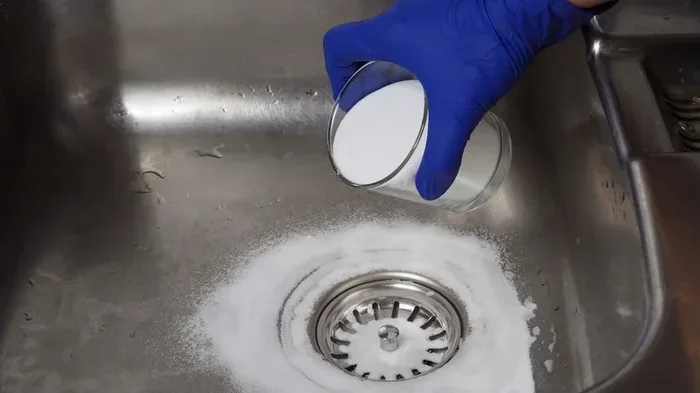
Unclogging your kitchen sink with baking soda is simple, affordable, and works wonders. You will learn the best methods to clear a clogged drain using household items like baking soda and vinegar. This guide covers everything from quick fixes to deep cleaning tips that keep your sink flowing smoothly.
Key Takeaways
- Baking soda is a safe, natural cleaner that breaks down grease and grime causing sink clogs.
- The baking soda and vinegar method is the most popular and effective DIY drain cleaning trick.
- Regular maintenance with baking soda prevents future clogs and keeps your kitchen plumbing in great shape.
- Boiling water alone can help loosen minor blockages before they become serious drain blockages.
- Knowing when to call a plumber saves you time and prevents damage to your kitchen plumbing system.
📑 Table of Contents
- How to Easily Unclog Kitchen Sink with Baking Soda
- Why Kitchen Sinks Get Clogged
- What You Need for This Job
- The Best Methods to Unclog Kitchen Sink with Baking Soda
- Step-by-Step Guide: Unclog Kitchen Sink with Baking Soda
- Quick Tips for Best Results
- Common Mistakes to Avoid
- When to Call a Professional Plumber
- Preventing Future Clogs
- Baking Soda vs. Commercial Drain Cleaners
- Expert Insights on Natural Drain Cleaning
- Key Takeaways
- Conclusion
How to Easily Unclog Kitchen Sink with Baking Soda
A clogged kitchen sink is one of the most annoying problems you can face. Water pools up, drains slowly, and you cannot wash dishes properly. The good news is that you do not need harsh chemicals or an expensive plumber to fix it. Baking soda is a powerful, natural cleaning agent that can clear most clogs in minutes.
In this guide, we will walk you through every method for unclog drain problems using baking soda. Whether you have a slow drain or a full blockage, these tips will help you restore proper sink drainage fast. You will also learn how to prevent future clogs and keep your kitchen plumbing running smoothly.
Baking soda is safe, non-toxic, and affordable. It works well on grease, food particles, and soap scum that build up inside your pipes. Let us dive into the best ways to use it.
Why Kitchen Sinks Get Clogged
Understanding what causes a clog helps you prevent it from happening again. Most clogged sink problems come from everyday kitchen activities. Here are the main culprits:
- Grease and oil — Cooking fat solidifies inside pipes and traps debris.
- Food scraps — Coffee grounds, eggshells, and starchy foods cling to pipe walls.
- Soap scum — Soap residue builds up over time and narrows the drain opening.
- Hair and stringy vegetables — These can wrap around pipe joints and create drain blockage.
- Hard water deposits — Mineral buildup reduces water flow and leads to a slow drain.
When you know what is causing the problem, you can choose the right drain cleaning method. Baking soda works on most of these clog types, especially grease and food buildup.
What You Need for This Job
One of the best things about using baking soda is that you probably already have it in your pantry. Here is a simple list of supplies:
- Baking soda (sodium bicarbonate)
- White vinegar
- Boiling water
- A measuring cup
- A plunger (optional)
- A drain snake or wire hanger (for tough clogs)
- Rubber gloves
That is it. No special tools needed. This makes drain unclogging easy for anyone. You can handle the job yourself without calling a professional plumber.
The Best Methods to Unclog Kitchen Sink with Baking Soda
There are several ways to use baking soda for clog removal. Each method works for different levels of blockage. Let us go through them one by one.
Method 1: Baking Soda and Boiling Water
This is the simplest method. It works great for minor clogs and regular drain maintenance.
- Boil a kettle of water.
- Pour about half a cup of baking soda directly into the drain.
- Wait five minutes.
- Pour the boiling water slowly down the drain.
- Let the hot water run for two minutes.
The heat from the water helps dissolve grease, while the baking soda breaks down organic matter. This method is perfect for a slow drain that has not fully blocked yet. Try this once a week for best results.
Method 2: Baking Soda and Vinegar
This is the most famous homemade drain cleaner method. The chemical reaction between baking soda and vinegar creates fizzing action that pushes through clogs.
- Pour one cup of baking soda into the drain.
- Follow it with one cup of white vinegar.
- Cover the drain with a plug or cloth to keep the fizzing reaction inside.
- Wait 15 to 30 minutes.
- Flush with hot boiling water.
The fizzing action is the key. It breaks apart grease, food particles, and soap scum inside your pipes. This method is gentle on your kitchen plumbing but tough on clogs. You will hear and see the reaction working, which is very satisfying.
Method 3: Baking Soda, Salt, and Boiling Water
Adding salt to the mix creates a stronger drain cleaning solution. Salt acts as a mild abrasive that scrubs the inside of your pipes.
- Mix half a cup of baking soda with half a cup of table salt.
- Pour the mixture down the drain.
- Let it sit for 10 to 15 minutes.
- Flush with a full kettle of boiling water.
This method is great for clogs caused by grease buildup. The salt helps scrape away stubborn residue that baking soda alone might miss. Use this method once a month for drain maintenance and prevention.
Method 4: Baking Soda, Vinegar, and Dish Soap
For tougher clogs, adding dish soap boosts the cleaning power. The soap cuts through grease and helps the mixture cling to pipe walls.
- Add one tablespoon of liquid dish soap to the drain.
- Pour half a cup of baking soda on top.
- Follow with one cup of vinegar.
- Let the mixture sit for 20 minutes.
- Flush with hot water for two minutes.
This is the heavy-duty version of the classic method. It works well on clog removal for sinks that have not been cleaned in a while. The dish soap adds a degreasing action that plain baking soda and vinegar do not provide.
Step-by-Step Guide: Unclog Kitchen Sink with Baking Soda
Here is a complete walkthrough of the most effective approach. Follow these steps for the best results:
- Remove standing water. Use a cup or bowl to scoop out any water from the sink basin. This lets the baking soda reach the clog directly.
- Pour baking soda into the drain. Use about half a cup to one full cup. Pour it slowly so it goes straight down.
- Add your chosen liquid. Vinegar, hot water, or a combination — depending on which method you prefer.
- Let it work. Do not run any water during this time. The reaction needs time to break down the blockage.
- Flush with hot water. After waiting, pour boiling water down the drain to wash away the loosened debris.
- Test the drain. Run the faucet and check if water flows freely. Repeat if needed.
If the first attempt does not fully clear the clog, do not worry. Repeat the process once or twice. Most kitchen sink clogs respond well to two or three treatments.
Quick Tips for Best Results
Follow these simple tips to get the most out of your baking soda cleaning routine:
- Use fresh baking soda. Old baking soda loses its effectiveness. Check the expiration date before using.
- Hot water is essential. Lukewarm water will not dissolve grease as well as boiling water.
- Do not use baking soda and vinegar at the same time with commercial drain cleaners. Mixing chemicals can create dangerous fumes.
- Be patient. Let the mixture sit long enough. Fifteen minutes is the minimum for serious clogs.
- Clean the drain stopper. Remove and clean the stopper or strainer before treating the drain. Debris often collects there.
- Run cold water after cleaning. Cold water helps solidify any remaining grease so it can flush out completely.
Common Mistakes to Avoid
Even with a simple method like baking soda, people make mistakes that reduce effectiveness. Here is what to avoid:
- Using cold water with baking soda. Cold water does not activate the cleaning reaction properly. Always use hot or boiling water.
- Pouring too little baking soda. A small pinch will not cut it. Use a full half cup or more for best results.
- Skipping the waiting time. The reaction needs time to work. Pouring water immediately after defeats the purpose.
- Ignoring recurring clogs. If the same drain keeps clogging, there may be a deeper issue in your kitchen plumbing that needs professional attention.
- Mixing with bleach or other chemicals. This creates toxic fumes and can damage your pipes. Stick to natural methods like baking soda and vinegar.
Avoiding these mistakes will make your drain unclogging efforts much more successful. Most people give up too soon or do not use enough product. Be thorough and patient.
When to Call a Professional Plumber
Baking soda works for most household clogs, but some problems need a professional. Call a plumber if:
- The clog returns within 24 hours after treatment.
- Water does not drain at all, even after multiple attempts.
- You hear gurgling sounds from the pipes, which may indicate a drain blockage deeper in the system.
- Multiple drains in your home are clogged at the same time.
- You smell sewage or notice slow drainage in other fixtures.
These signs point to a serious issue that baking soda alone cannot fix. A licensed plumber has the tools and expertise to handle deep pipe problems safely. Trying to force a serious clog can damage your kitchen plumbing and make things worse.
Preventing Future Clogs
Once you have cleared your drain, you want to keep it clear. Regular drain maintenance with baking soda is the easiest way to prevent future problems.
Daily Habits That Help
- Never pour grease or oil down the drain. Let it cool and throw it in the trash instead.
- Use a sink strainer to catch food scraps and solids.
- Run hot water down the drain after every wash cycle.
- Clean the drain stopper regularly to remove buildup.
Monthly Maintenance Routine
Set a reminder to treat your drain once a month. Here is a simple routine:
- Pour half a cup of baking soda into the drain before bed.
- Follow with a cup of vinegar.
- Let it sit overnight.
- Flush with boiling water in the morning.
This monthly habit keeps grease and debris from building up. It is much easier to prevent a clog than to fix one. Your sink drainage will stay fast and reliable all year long.
After you have a clear, flowing sink, you can focus on other kitchen tasks — like preparing a delicious dinner. Try making One Pan Lemony Chicken Orzo With Olives for an easy, satisfying meal that your whole family will love.
Baking Soda vs. Commercial Drain Cleaners
Many people reach for store-bought drain cleaners when they face a clogged sink. But baking soda has some big advantages over these products.
| Feature | Baking Soda | Commercial Cleaners |
|---|---|---|
| Safety | Non-toxic and safe | Contains harsh chemicals |
| Cost | Very affordable | Moderate to expensive |
| Pipe Safety | Gentle on pipes | Can corrode pipes over time |
| Environmental Impact | Eco-friendly | Harmful to waterways |
| Effectiveness | Works on most clogs | Works on most clogs |
| Availability | Already in most homes | Must be purchased |
As you can see, baking soda wins in almost every category. It is safer for your family, your pipes, and the environment. Plus, it costs a fraction of what commercial drain cleaners cost. For most household drain cleaning needs, baking soda is all you need.
When your kitchen is clean and your sink is flowing, you can focus on cooking something wonderful. After clearing that clog, why not whip up a batch of Honey Bbq Chicken With Mac And Cheese? A clean sink makes kitchen cleanup so much easier after a messy but delicious meal.
Expert Insights on Natural Drain Cleaning
Plumbing experts agree that baking soda is one of the best tools for regular drain maintenance. Here is what professionals recommend:
- Use baking soda weekly for preventive maintenance, even if your drain seems fine.
- Combine baking soda with vinegar for a powerful natural reaction that clears minor buildup.
- Never use baking soda after commercial chemicals. Wait at least 24 hours before switching to natural methods.
- Hot water is your best friend. It helps dissolve grease before it hardens inside pipes.
- Enzyme-based cleaners work well alongside baking soda for organic clog removal.
These expert tips will help you maintain clear drains without resorting to harsh chemicals. A little baking soda goes a long way toward keeping your entire kitchen plumbing system healthy.
Once your sink is unclogged and flowing freely, you can get back to cooking with ease. A great next step is making Roast Potatoes With Chicken for a comforting family dinner. A clean kitchen makes everything more enjoyable.
Key Takeaways
- Baking soda is a safe, natural cleaner that breaks down grease and grime causing sink clogs.
- The baking soda and vinegar method is the most popular and effective DIY drain cleaning trick.
- Regular maintenance with baking soda prevents future clogs and keeps your kitchen plumbing in great shape.
- Boiling water alone can help loosen minor blockages before they become serious drain blockages.
- Knowing when to call a plumber saves you time and prevents damage to your kitchen plumbing system.
- Prevention is easier than cure. Simple habits like using a strainer and monthly baking soda treatments keep drains clear.
- Baking soda beats commercial cleaners in safety, cost, and environmental impact for most household needs.
Conclusion
Unclog kitchen sink problems do not have to be stressful or expensive. Baking soda gives you a safe, effective, and affordable way to handle most drain clogs at home. Whether you use the simple baking soda and water method or the classic baking soda and vinegar reaction, you will see real results.
Regular drain maintenance with baking soda keeps your sink drainage flowing and prevents clog removal emergencies. The methods in this guide work on grease, food particles, soap scum, and minor pipe buildup. They are gentle on your pipes and safe for your family.
Start with the simplest method and work your way up if needed. Most clogs clear within one or two treatments. If the problem persists, do not hesitate to call a professional plumber. And remember — the best way to deal with a clog is to prevent one from forming in the first place.
Keep baking soda in your kitchen cabinet. It is one of the most versatile and useful household items you can own. From cleaning to cooking, it never lets you down. Now go ahead and give your drain the care it deserves.
After you have conquered that clog and your kitchen sink is sparkling clean, treat yourself to a home-cooked meal. Check out Caesar Salad With Avanaise for a fresh, light side dish that pairs perfectly with any main course.
Frequently Asked Questions
Can baking soda alone unclog a kitchen sink?
Yes, baking soda alone can clear minor clogs, especially when combined with boiling water. The baking soda breaks down grease and organic matter inside the drain. For tougher clogs, pairing it with vinegar creates a stronger reaction that works better.
How long should I let baking soda sit in the drain?
For best results, let baking soda sit for at least 15 to 30 minutes. If you are dealing with a stubborn clog, leaving it overnight can help. The longer the baking soda has to work on the buildup, the better the results will be.
Is it safe to use baking soda in a garbage disposal?
Absolutely. Baking soda is safe and effective for garbage disposals. It neutralizes odors and breaks down food particles that cause buildup. Run cold water while using the disposal to keep grease solidified and flowing out properly.
How often should I use baking soda to clean my drain?
Monthly maintenance is ideal for most households. Pour baking soda down the drain once a week for prevention, or once a month for a deeper clean. Regular drain maintenance with baking soda stops clogs before they start and keeps your kitchen plumbing in top shape.
What should I do if baking soda does not unclog my sink?
If baking soda does not clear the clog after two or three attempts, the blockage may be deeper in the pipe. Try using a plunger or a drain snake. If those do not work, it is time to call a licensed plumber. Persistent clogs can signal a serious issue in your drain cleaning system that needs professional attention.
Can I use baking soda with other household cleaners?
Baking soda works great on its own or with vinegar. However, never mix it with bleach, ammonia, or commercial drain cleaners. These combinations can produce toxic fumes or damage your pipes. Stick to natural drain unclogging methods for safe and effective results.