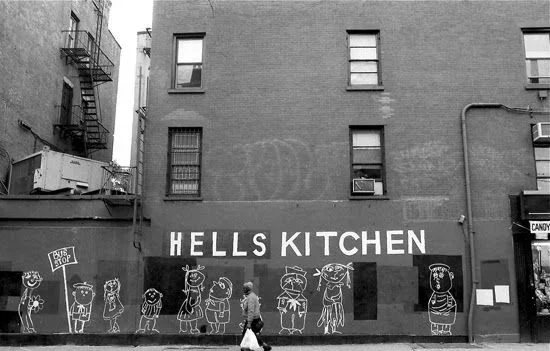
Is Hell’s Kitchen in Manhattan? Yes, this famous NYC neighborhood sits on the West Side of Manhattan, stretching from 34th Street to 59th Street. Known for its vibrant food scene, rich history, and proximity to Times Square, Hell’s Kitchen is one of the most exciting Manhattan neighborhoods to explore or call home. Whether you are looking for restaurants, nightlife, real estate, or just a great place to visit, this guide covers everything you need to know.
If you have ever typed “is Hell’s Kitchen in Manhattan” into a search bar, you are not alone. This question pops up constantly from travelers, new residents, and curious minds alike. The short answer is yes, Hell’s Kitchen is absolutely in Manhattan. But the full story is much more interesting than a simple yes or no.
Hell’s Kitchen is one of the most dynamic Manhattan neighborhoods you will ever explore. It sits on the West Side of the island, right next to the Theater District and just a short walk from Hudson Yards. Over the years, this area has gone from a rough-and-tumble working-class district to one of the hottest spots in all of NYC living. Today, it draws food lovers, theater fans, and anyone looking for an authentic Manhattan experience.
In this article, we will walk you through everything you need to know about Hell’s Kitchen. We will cover its history, what it is like to live there, the best things to do, the food scene, transportation options, and safety. By the end, you will have a clear picture of why so many people love this part of Manhattan.
Key Takeaways
- Hell’s Kitchen is indeed in Manhattan: It is a well-known neighborhood on the West Side of Manhattan, NYC.
- It has a fascinating history: Once known for crime and grit, it has transformed into a trendy, cultural hub.
- Living there is pricey: Real estate costs are high, but the location and lifestyle make it worthwhile for many.
- The food and nightlife are outstanding: From upscale dining to cozy bars, Hell’s Kitchen offers something for everyone.
- Transportation is excellent: Multiple subway lines and bus routes make getting around easy.
- Safety has improved: Like many Manhattan neighborhoods, Hell’s Kitchen has seen a significant drop in crime over the decades.
📑 Table of Contents
- What Is Hell’s Kitchen and Where Is It Located?
- The History Behind Hell’s Kitchen
- Living in Hell’s Kitchen: Real Estate and Cost of Living
- Things to Do and See in Hell’s Kitchen
- Dining, Nightlife, and the Food Scene
- Getting Around Hell’s Kitchen: Transportation and Access
- Is Hell’s Kitchen Safe? What You Need to Know
- Conclusion
What Is Hell’s Kitchen and Where Is It Located?
Hell’s Kitchen is a neighborhood in the western part of Manhattan, New York City. It is also sometimes called Clinton, which is its more formal name. The neighborhood is bordered by 34th Street to the south and 59th Street to the north. On the east side, it runs along Eighth Avenue, and on the west side, it meets the Hudson River.
One of the reasons people keep asking “is Hell’s Kitchen in Manhattan” is because the name sounds like it could be its own separate place. But make no mistake, it is firmly within the borough of Manhattan. It sits between Midtown Manhattan and the Upper West Side, making it a very central location.
The Exact Boundaries of Hell’s Kitchen
Understanding the borders of Hell’s Kitchen helps you get a real sense of the area. Here is a quick breakdown:
- Southern border: 34th Street, right near the Garment District
- Northern border: 59th Street, which is the edge of Central Park
- Eastern border: Eighth Avenue or Ninth Avenue, depending on who you ask
- Western border: The Hudson River and the West Side Highway
Some people also consider parts of the area around Times Square to overlap with Hell’s Kitchen. The neighborhood is compact but packed with energy. Walking from one end to the other takes less than 30 minutes, which makes it very easy to explore on foot.
Nearby Landmarks and What Makes It Special
Hell’s Kitchen is surrounded by some of the most famous spots in New York City. Times Square is just a few blocks east. Central Park is right at the northern edge. The Hudson River Greenway runs along the western border and offers stunning waterfront views. Lincoln Center, home to the New York Philharmonic and the Metropolitan Opera, is also nearby.
Quick Tip: When you visit Hell’s Kitchen, start at the southern end near 34th Street and walk north toward the river. This route takes you through the heart of the neighborhood and gives you the best feel for its character and charm.
The History Behind Hell’s Kitchen
The history of Hell’s Kitchen is as colorful as the neighborhood itself. For much of the 19th and early 20th centuries, this area was a working-class district. Immigrants from Ireland, Italy, and other parts of Europe settled here and found work in the factories, meatpacking plants, and docks along the Hudson River.
The name “Hell’s Kitchen” has a few origin stories. Some say it came from a tough neighborhood in London that sailors compared this area to. Others believe it referred to a particularly rough tenement on 10th Avenue. Whatever the true origin, the name stuck and became part of New York City lore.
From Crime-Ridden to Trendy
By the mid-20th century, Hell’s Kitchen had gained a reputation for crime, poverty, and gritty street life. It was not a place most tourists would venture into. But starting in the 1990s and 2000s, things began to change dramatically. Artists, young professionals, and families started moving in. Restaurants, galleries, and boutiques opened up. The transformation was remarkable.
Today, Hell’s Kitchen is one of the most sought-after Manhattan neighborhoods for both living and visiting. The gritty past is still visible in some of the old building facades and street names, but the area has been thoroughly modernized while keeping its unique character.
How the Name “Clinton” Fits In
Officially, the neighborhood is known as Clinton, named after DeWitt Clinton, a former governor of New York. Many long-time residents still use this name. But if you ask most New Yorkers where Hell’s Kitchen is, they will know exactly what you mean. Both names refer to the same West Side Manhattan area, and you will see both used interchangeably on maps and in conversations.
Expert Insight: According to local historians, the dual identity of Hell’s Kitchen and Clinton reflects a broader trend in NYC neighborhoods. Many areas in Manhattan have informal nicknames that tell the story of their past, even as they evolve into modern communities.
Living in Hell’s Kitchen: Real Estate and Cost of Living
If you are considering moving to Hell’s Kitchen, you need to know what you are getting into. This is one of the priciest neighborhoods in Manhattan, and for good reason. The location is hard to beat, the amenities are top-notch, and the lifestyle is hard to find anywhere else in the city.
Apartment Prices and Trends
Hell’s Kitchen real estate has seen steady price increases over the past decade. A one-bedroom apartment here can easily run you $2,500 to $3,500 per month. Two-bedroom units often start at $4,000 and go well above $6,000. Studios are more affordable but still command $1,800 to $2,500 in most cases.
The Hell’s Kitchen apartments market is competitive. Units in buildings with doorman service, rooftop access, or river views go fast. Even older walk-up buildings in good condition can be tough to snag because of the high demand.
| Apartment Type | Average Monthly Rent | Price Range |
|---|---|---|
| Studio | $2,000 – $2,500 | $1,800 – $3,000 |
| 1 Bedroom | $2,800 – $3,500 | $2,500 – $4,200 |
| 2 Bedrooms | $4,200 – $5,500 | $3,800 – $7,000 |
| 3 Bedrooms | $6,000 – $8,000+ | $5,500 – $10,000+ |
Pros and Cons of Living in Hell’s Kitchen
Like any neighborhood, Hell’s Kitchen has its strengths and weaknesses. Here is a honest look:
- Pros: Walkable to everything, incredible dining options, great subway access, close to Central Park and the Hudson River, vibrant community feel, safe by Manhattan standards.
- Cons: High cost of living, noise from nearby Times Square and traffic, limited green space within the neighborhood itself, gentrification has changed the character for some long-time residents.
Common Mistake: Many people move to Hell’s Kitchen without budgeting for the high cost of living. Rent is just the beginning. Dining out, entertainment, and everyday expenses in this part of Manhattan add up quickly. Make sure you have a realistic budget before committing.
Things to Do and See in Hell’s Kitchen
There is never a shortage of things to do in Hell’s Kitchen. Whether you are a first-time visitor or a longtime resident, the neighborhood always has something new to offer.
Top Attractions and Activities
Here are some of the best Hell’s Kitchen attractions you should not miss:
- Hell’s Kitchen Walking Tours: Several companies offer guided walks that cover the neighborhood’s history, architecture, and hidden gems. These tours are a fantastic way to learn the stories behind the streets.
- Hudson River Park: This sprawling waterfront park stretches along the Hudson River and offers walking paths, bike lanes, playgrounds, and stunning views of the water and New Jersey skyline.
- Intrepid Sea, Air and Space Museum: Located on Pier 86, this museum features the aircraft carrier USS Intrepid, a space shuttle, and dozens of military and aviation exhibits.
- The High Line: Just a short walk east, this elevated park built on an old railway track is one of the most unique green spaces in the world.
- Hell’s Kitchen Flea Market: Held on weekends, this market is great for finding vintage clothes, antiques, handmade crafts, and unique souvenirs.
Day Trips and Nearby Excursions
Because Hell’s Kitchen is so centrally located, it is easy to build a full day of exploration around it. You can walk to Times Square in under 10 minutes. Central Park is just a few blocks north. The Museum of Modern Art (MoMA) and Broadway theaters are all within easy reach. A trip to the Chelsea Market is also a popular move for food lovers.
Quick Tip: Grab a MetroCard or use OMNY (the tap-to-pay system) for easy access to all subway and bus routes in the area. This will save you time and money compared to taking taxis everywhere.
Dining, Nightlife, and the Food Scene
If there is one thing Hell’s Kitchen is famous for, it is the food. The Hell’s Kitchen food scene is incredibly diverse, ranging from upscale fine dining to casual hole-in-the-wall spots that serve some of the best tacos in the city.
Best Restaurants in Hell’s Kitchen
The Hell’s Kitchen restaurants scene caters to every taste and budget. You will find everything from Michelin-starred establishments to beloved neighborhood joints. Some standout spots include:
- Le Bernardin: A three-Michelin-star seafood restaurant that is widely considered one of the best in all of New York City.
- Joe’s Pizza: A classic slice joint that has been serving up New York-style pizza for decades.
- The Smith: A popular American brasserie with a lively atmosphere and a menu that covers everything from brunch to dinner.
- Los Tacos No. 1: Authentic Mexican tacos that draw huge crowds every day. The adobada taco is a must-try.
- Buvette: A charming French-inspired wine bar and bistro with a cozy outdoor courtyard.
Bars and Nightlife Spots
The Hell’s Kitchen nightlife scene is lively without being overwhelming. You will find everything from craft cocktail bars to sports pubs and jazz clubs. Ninth Avenue is particularly known for its concentration of bars and restaurants. On weekend nights, the streets buzz with energy as locals and visitors alike spill out of restaurants and venues.
Expert Insight: According to local food critics, the best way to experience the Hell’s Kitchen dining scene is to walk along Ninth Avenue and Columbus Avenue and just follow your nose. Some of the best spots do not have flashy signs or big marketing budgets. They are hidden in plain sight.
Getting Around Hell’s Kitchen: Transportation and Access
One of the biggest advantages of living in or visiting Hell’s Kitchen is the ease of getting around. The neighborhood is incredibly well-connected by public transportation, and walking and biking are also great options.
Subway and Bus Options
The Hell’s Kitchen subway system makes it simple to reach every corner of Manhattan and beyond. Several subway lines run through or near the neighborhood:
- 1 Train: Runs along the West Side with stops at 50th Street and 59th Street.
- A, C, and E Trains: Stop at 50th Street and 42nd Street-Port Authority Bus Terminal on Eighth Avenue.
- 7 Train: Accessible at Times Square and 42nd Street, just a short walk east.
- B and D Trains: Stop at 59th Street-Columbus Circle on the northern edge of the neighborhood.
Multiple bus routes also serve the area, including the M10, M20, M42, and M104. The Port Authority Bus Terminal is a major hub located right at the southern edge of Hell’s Kitchen, making it easy to travel to New Jersey and other parts of the metro area.
Walking and Biking
Hell’s Kitchen is a very walkable neighborhood. Most attractions, restaurants, and shops are within a 10 to 15 minute walk of each other. The Hudson River Greenway is a popular bike path that runs along the waterfront and connects Hell’s Kitchen to other parts of the West Side.
Quick Tip: If you plan to do a lot of walking, wear comfortable shoes. The sidewalks can be crowded, especially near Times Square and along major avenues. Also, be mindful of construction zones, which are common in this part of Manhattan.
Is Hell’s Kitchen Safe? What You Need to Know
Safety is a top concern for anyone considering visiting or moving to a new Manhattan neighborhood. The good news is that Hell’s Kitchen safety has improved significantly over the past few decades. Like most of Midtown Manhattan, the area is well-patrolled by the NYPD and feels safe both during the day and at night.
As with any busy urban area, you should still take normal precautions. Keep an eye on your belongings in crowded tourist areas. Be aware of your surroundings, especially late at night near busy entertainment strips. Overall, though, Hell’s Kitchen is considered one of the safer neighborhoods in Manhattan.
Common Mistake: Some visitors assume that because Hell’s Kitchen is near Times Square, it must be overly crowded and chaotic all the time. In reality, the residential streets north of 42nd Street are much quieter and more neighborhood-like. Venture a few blocks away from the main tourist corridors, and you will find a calm, friendly community.
Conclusion
Is Hell’s Kitchen in Manhattan? Absolutely, and it is one of the most vibrant, diverse, and exciting neighborhoods you will find in all of New York City. From its gritty origins to its current status as a foodie and cultural destination, Hell’s Kitchen has something for everyone. Whether you are planning a visit, looking for Hell’s Kitchen restaurants to try, or thinking about calling it home, this neighborhood delivers on every front.
The Hell’s Kitchen attractions are world-class, the food scene is unmatched, and the transportation connections make it easy to explore the rest of Manhattan and beyond. Yes, the cost of living is high, but for many people, the location, energy, and lifestyle make it well worth it.
So the next time someone asks you “is Hell’s Kitchen in Manhattan,” you can tell them with confidence: not only is it in Manhattan, but it is one of the best parts of it. Go explore, eat well, and enjoy everything this incredible neighborhood has to offer.
Frequently Asked Questions
Is Hell’s Kitchen the same as Clinton?
Yes, Hell’s Kitchen and Clinton refer to the same neighborhood in Manhattan. Clinton is the official name, but most people use Hell’s Kitchen because it is more recognizable and has a stronger cultural identity.
What is the best time to visit Hell’s Kitchen?
Spring and fall are the best times to visit. The weather is pleasant, the streets are lively, and outdoor dining along Ninth Avenue is at its peak. Summer can be hot and crowded, while winter is quieter but still vibrant.
Is Hell’s Kitchen expensive to visit?
It can be, especially if you plan to eat at upscale restaurants or stay in nearby hotels. However, there are plenty of affordable options too, from food carts and delis to happy hour specials at local bars. You can enjoy the neighborhood without breaking the bank.
How far is Hell’s Kitchen from Times Square?
Hell’s Kitchen is very close to Times Square. The distance is about half a mile, which means you can walk there in under 10 minutes. The two neighborhoods overlap in some areas, and many visitors combine trips to both.
Can you walk from Hell’s Kitchen to Central Park?
Yes, you can walk from Hell’s Kitchen to Central Park in about 10 to 15 minutes. The northern edge of the neighborhood borders 59th Street, which is right at the southern entrance to Central Park near Columbus Circle.
Is Hell’s Kitchen a good place for first-time visitors to New York?
Absolutely. Hell’s Kitchen is central, walkable, and full of things to see and do. It is close to major attractions, has excellent food options, and is easy to navigate. It is a great base for exploring Manhattan, especially for first-time visitors.