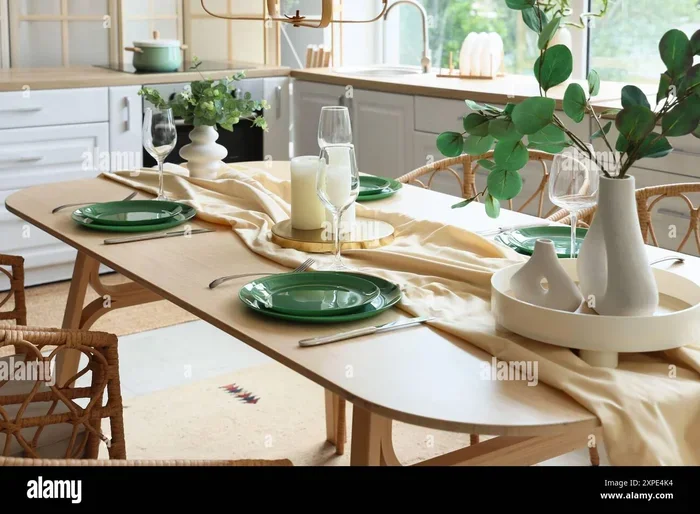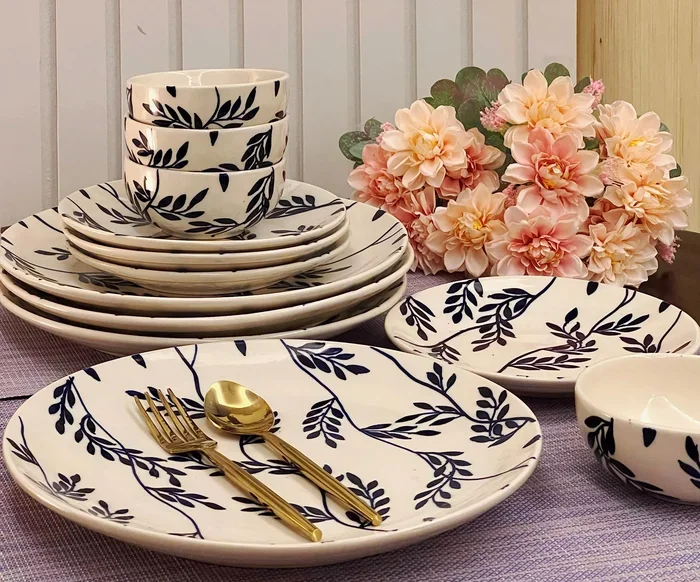
A kitchen plates and bowls set is the foundation of any well-organized kitchen. Whether you are hosting dinner guests or preparing a quick weeknight meal, the right dinnerware elevates every meal. This guide covers everything from materials and styles to buying tips and maintenance, helping you choose the perfect dinnerware set for your home.
Key Takeaways
- Material Matters: Ceramic, porcelain, stoneware, and melamine each offer unique benefits for everyday use.
- Set Size Depends on Household Size: A 4-piece to 16-piece set covers different dining needs.
- Style Impacts Ambiance: Matching sets create a cohesive look, while mixed sets add personality.
- Durability and Care: Oven-safe and dishwasher-safe options save time and extend the life of your dishes.
- Value Comes from Balance: The best set combines quality, design, and affordability.
📑 Table of Contents
- Why Your Kitchen Plates and Bowls Set Matters More Than You Think
- Types of Kitchen Plates and Bowls Sets
- How to Choose the Right Size and Number of Pieces
- Materials Compared: Which One Is Right for You?
- Styling Your Kitchen Plates and Bowls Set
- Best Practices for Caring for Your Kitchen Plates and Bowls Set
- Where to Buy Quality Kitchen Plates and Bowls Sets
- Common Mistakes to Avoid When Buying a Kitchen Plates and Bowls Set
- Quick Tips for Getting the Most Out of Your Set
- Final Thoughts on Choosing the Perfect Kitchen Plates and Bowls Set
Why Your Kitchen Plates and Bowls Set Matters More Than You Think
Let us be honest. The plates and bowls sitting on your table shape your entire dining experience. You might not notice it at first. But when you switch from chipped, mismatched dishes to a beautiful, coordinated set, something changes. Meals feel more intentional. Even a simple bowl of soup tastes better when it arrives in the right ceramic plates.
A kitchen plates and bowls set does more than hold food. It sets the tone for your kitchen. It affects how you present meals, how you clean up, and how your space looks every single day. Think of it as the backdrop for every dish you cook and serve.
Maybe you are moving into a new place and need a fresh start. Perhaps your current dishes are worn out and no longer do your meals justice. Whatever the reason, this guide will walk you through everything you need to know. From materials and sizes to styling tips and maintenance, you will find all the answers here.
By the end of this article, you will feel confident enough to pick the perfect dinnerware set for your kitchen. No more guessing. No more settling for less.
Types of Kitchen Plates and Bowls Sets
Ceramic Plates and Bowls
Ceramic is one of the most popular materials for dinnerware. It is versatile, affordable, and comes in countless designs. Ceramic dinner plates and serving bowls work well for both casual and formal settings.
Most ceramic sets are microwave-safe and dishwasher-safe. This makes them ideal for busy households. You can heat up leftovers without transferring them to a different dish. Cleanup becomes a breeze too.
One thing to keep in mind. Ceramic can chip if dropped. It is heavier than some alternatives, which gives it a sturdy, premium feel. If you want everyday dishes that look great and last long, ceramic is a solid choice.
Porcelain Bowls and Plates
Porcelain is a step up from standard ceramic. It is fired at higher temperatures, making it denser and more durable. Porcelain bowls and plates have a refined, elegant look that works in any kitchenware collection.
Porcelain is naturally non-porous. This means it does not absorb liquids or odors. Your salad bowls will stay fresh and clean even after serving acidic foods like tomato-based salads.
The downside? Porcelain tends to cost more. But for a dinnerware collection that you want to last for years, the investment pays off. It also has a beautiful, translucent quality that adds a touch of sophistication to any table.
Stoneware for Everyday Use
Stoneware sits in the middle ground between ceramic and porcelain. It is thick, heavy, and incredibly durable. Stoneware plates are perfect for families with kids or anyone who wants kitchen essentials that can take a beating.
Stoneware retains heat well. This makes it excellent for serving hot dishes. A stoneware dinner plate keeps your food warm longer at the table.
Many stoneware sets are oven-safe up to high temperatures. You can go from oven to table without worrying about thermal shock. Just check the manufacturer’s guidelines to be safe.
Melamine: The Lightweight Option
Melamine is a durable plastic material that looks and feels like real dishware. It is lightweight, shatterproof, and perfect for outdoor dining or households with young children.
Melamine bowls and plates come in vibrant colors and patterns. They are easy to clean and dry quickly. However, they are not suitable for microwaves or ovens. Use them for serving and eating, not for cooking.
How to Choose the Right Size and Number of Pieces
Understanding Place Settings
A standard place setting includes a dinner plate, a salad plate, a bowl, and a mug or cup. For a family of four, you need at least four of each. This gives you a 16-piece dinner set as a starting point.
If you enjoy hosting guests, consider buying extra pieces. A 20-piece or 24-piece set gives you room for visitors without running short. Think about your lifestyle. Do you eat soup or cereal every morning? You will need enough serving bowls for daily use.
Plate Sizes and Their Uses
Not all plates are the same size, and each size has a purpose:
- Dinner plates (10-12 inches) are for main courses.
- Salad plates (7-9 inches) work for starters or lighter meals.
- Dessert plates (6-7 inches) are perfect for sweets and small portions.
- Bread plates (5-6 inches) add a finishing touch to formal settings.
Bowl Sizes Matter Too
Bowls come in different sizes for different foods. A small soup bowl holds about 8 ounces. A large serving bowl can hold 32 ounces or more. For rice bowls and grain-based meals, a medium bowl in the 12-16 ounce range works best.
Consider the types of meals you eat most often. If you love grain bowls like the ones you find in Chicken Shawarma Rice Bowls, you will want deeper bowls that hold plenty of ingredients. For soups and stews, wider bowls let the aroma reach your nose, enhancing the experience.
Materials Compared: Which One Is Right for You?
| Material | Durability | Weight | Microwave Safe | Oven Safe | Price Range |
|---|---|---|---|---|---|
| Ceramic | Medium | Medium | Yes | Usually | $ – $$ |
| Porcelain | High | Light-Medium | Yes | Yes | $$ – $$$ |
| Stoneware | Very High | Heavy | Yes | Yes | $$ – $$$ |
| Melamine | Very High | Very Light | No | No | $ – $$ |
Each material has its strengths. Your choice depends on your priorities. If durability is your top concern, stoneware or melamine wins. If elegance matters most, porcelain stands out. For a balanced everyday option, ceramic delivers great value.
Think about how you use your kitchenware. Do you reheat leftovers daily? Prioritize microwave-safe options. Do you love hosting dinner parties? Invest in porcelain or high-quality stoneware that looks stunning on the table.
Styling Your Kitchen Plates and Bowls Set
Matching vs. Mixed Sets
There are two main approaches to styling your dishware. You can go with a matching set, or you can mix and match pieces for a more eclectic look.
A matching set creates a clean, unified look. It works beautifully in modern and minimalist kitchens. Everything feels coordinated and intentional. This approach also makes setting the table quick and easy.
Mixing and matching adds personality. You can combine different patterns, colors, and textures. Some people pair neutral ceramic plates with colorful serving bowls. Others mix vintage pieces with modern ones. There are no rules here. Let your kitchen reflect your style.
The Role of Food Presentation
How you plate food matters more than most people realize. A beautifully arranged meal served on the right kitchen plates and bowls set feels restaurant-quality. You do not need to be a chef to make it work.
Start with a clean white or neutral base. It lets the food stand out. Add a small bowl for sauces or sides. Use a salad plate for a composed starter. Simple touches like these transform an ordinary meal into something special.
If you love vibrant, colorful meals, look at recipes like Honey Glazed Salmon Bowls or Loaded Spaghetti Squash Bowls. These dishes look even more appetizing when served in the right bowls. The presentation becomes part of the experience.
Storage and Display Tips
How you store your dinnerware set affects its longevity. Stack plates with felt or paper protectors between them to prevent scratching. Store bowls upright in a cabinet with enough space so they do not chip against each other.
If you want to display your favorite pieces, a open shelf or a plate rack works wonderfully. It adds charm to your kitchen and keeps your most-used items within easy reach. Just make sure the display area is dust-free and away from direct sunlight to prevent fading.
Best Practices for Caring for Your Kitchen Plates and Bowls Set
Daily Cleaning Tips
Most modern dinnerware sets are dishwasher-safe. But hand washing extends the life of your dishes significantly. Use warm water, mild soap, and a soft sponge. Avoid abrasive scrubbers that can scratch the surface.
For stoneware plates and porcelain bowls, a gentle hand wash keeps the glaze looking fresh for years. Dry them with a soft cloth to prevent water spots. This small habit makes a big difference over time.
Dealing with Stains and Odors
Stains happen. Tomato sauce, turmeric, and coffee can leave marks on dinner plates. Soak stained pieces in a baking soda and water solution for 30 minutes before washing. This naturally lifts discoloration without harsh chemicals.
Bowls that absorb odors from strong foods like garlic or fish can be deodorized. Fill the bowl with warm water and a slice of lemon. Let it sit for 15 minutes, then rinse. Your serving bowls will smell fresh again.
Handling Chips and Cracks
Even the best dishware can chip or crack over time. Inspect your set regularly. A small chip on a ceramic plate can grow into a larger crack if not addressed. Replace damaged pieces promptly to keep your set looking its best.
Store chipped items separately to avoid scratching other dishes. Some people repurpose chipped pieces for casual, everyday use and keep the pristine ones for special occasions. This is a smart way to get the most out of your kitchen plates and bowls set.
Where to Buy Quality Kitchen Plates and Bowls Sets
You can find dinnerware sets at almost any retailer these days. But not all sets are created equal. Here are some trusted places to look:
- Home goods stores like Crate and Barrel or Williams Sonoma offer curated collections.
- Online marketplaces like Amazon and Wayfair provide a huge range of options at every price point.
- Specialty brands like Corelle, Libbey, and Anchor Hocking focus specifically on durable, functional kitchenware.
- Local pottery shops and artisan markets offer unique, handmade pieces you will not find anywhere else.
Before you buy, read reviews. Check the return policy. Look for sets that include the pieces you actually need. A good dinner set should serve your real life, not just look pretty on a product photo.
If you want meal inspiration to go with your new set, check out recipes like One Pan Mediterranean Roasted Chicken And Lemony Potatoes or Crispy Bean And Cheese Tacos. The right food on the right plates makes every meal memorable.
Common Mistakes to Avoid When Buying a Kitchen Plates and Bowls Set
Buying a dinnerware set sounds simple enough. But people make mistakes that lead to disappointment. Here are the most common ones to avoid:
- Buying based on looks alone. A beautiful set that is not microwave-safe or dishwasher-safe will cause frustration fast.
- Purchasing the wrong size. Oversized plates look impressive but waste cabinet space. Undersized plates leave you reaching for more dishes.
- Ignoring weight. Heavy stoneware plates are durable but can tire your hands during large dinners. Light melamine bowls are easy to handle but may not suit formal occasions.
- Not checking oven safety. If you like to go from oven to table, make sure your set can handle the heat.
- Overlooking the number of pieces. Count your household size and typical guest count before buying. Running short on place settings is an avoidable headache.
Take your time. Compare options. Think about how you actually use your dishes every day. The right kitchen plates and bowls set should fit your routine, not disrupt it.
Quick Tips for Getting the Most Out of Your Set
- Buy two sets if you have a family of four. It gives you backup for busy mornings and unexpected guests.
- Invest in one high-quality serving bowl for family-style meals. It becomes the centerpiece of your table.
- Match your serving bowls to your dinner plates for a cohesive look, or contrast them for a modern twist.
- Label your cabinets by section so you can grab the right pieces quickly during meal prep.
- Rotate your set seasonally. Bring out colorful pieces in summer and neutral tones in winter to refresh your kitchen’s vibe.
These small habits add up. They keep your dishware organized, your table looking fresh, and your meals feeling special every single day.
Final Thoughts on Choosing the Perfect Kitchen Plates and Bowls Set
Your kitchen plates and bowls set is more than just a collection of dishes. It is a daily companion in your cooking and dining journey. The right set makes food look better, meals feel more enjoyable, and your kitchen feel more like home.
Whether you choose ceramic, porcelain, stoneware, or melamine, the key is finding a set that matches your lifestyle. Consider your household size, your cooking habits, and your personal style. Invest in quality pieces that will serve you well for years to come.
Take what you have learned here and use it to make a confident choice. Your perfect dinnerware set is out there waiting. And once you find it, every meal will feel a little more special, a little more intentional, and a lot more enjoyable.
Start today. Explore your options, compare materials, and find the kitchen plates and bowls set that transforms your kitchen from ordinary to extraordinary.
Frequently Asked Questions
What is the best material for a kitchen plates and bowls set?
It depends on your needs. Ceramic is affordable and versatile. Porcelain is elegant and durable. Stoneware is heavy-duty and heat-resistant. Melamine is lightweight and shatterproof. For most households, ceramic or stoneware offers the best balance of style and practicality.
How many pieces should a dinner set include?
A standard 16-piece set includes four dinner plates, four salad plates, four bowls, and four mugs. This works well for a family of four. If you host guests often, consider a 20-piece or 24-piece set for extra serving pieces.
Are kitchen plates and bowls sets dishwasher-safe?
Most modern sets are dishwasher-safe. However, always check the manufacturer’s label. Hand washing delicate porcelain or hand-painted pieces will extend their lifespan significantly.
Can I mix different sets together?
Absolutely. Mixing sets is a popular trend that adds personality to your table. Just make sure the sizes are compatible. A mismatched set can look charming and unique when done intentionally.
How do I prevent my bowls from chipping?
Store bowls with protective liners between them. Avoid stacking too many pieces in one space. Handle them gently during washing, and never submerge hot bowls in cold water suddenly, as this can cause thermal shock.
What is the difference between a dinner plate and a salad plate?
A dinner plate is typically 10 to 12 inches and is used for main courses. A salad plate is smaller, usually 7 to 9 inches, and is ideal for starters, side dishes, or lighter meals. Having both in your kitchen plates and bowls set gives you flexibility for different types of meals.