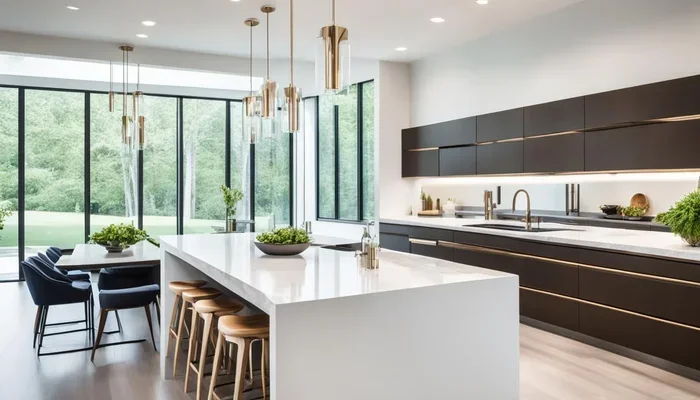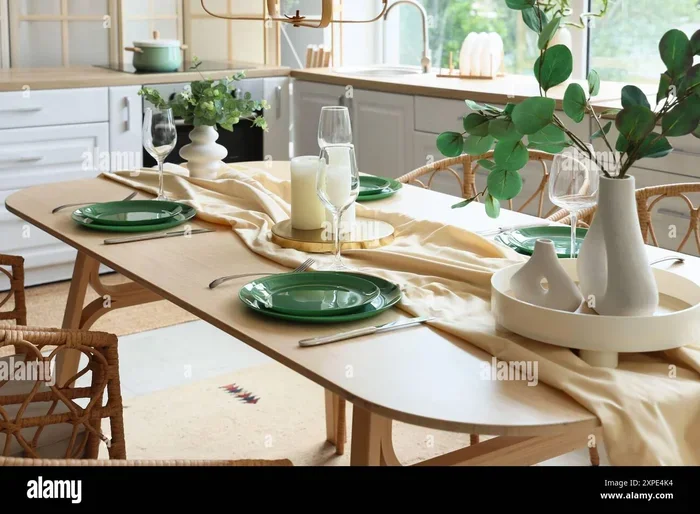



Valances for kitchen windows are a simple yet powerful way to refresh your cooking space without a full renovation. They add color, texture, and personality above your windows while hiding bare frames or outdated hardware. Whether you prefer casual café styles or tailored modern designs, the right valance can completely change the feel of your kitchen.
Key Takeaways
- Valances instantly upgrade kitchen windows by adding a decorative touch that curtains alone cannot provide.
- Multiple styles exist, from casual café valances to tailored pleated designs, so you can match any kitchen decor.
- Fabric choice matters a lot because kitchens deal with heat, grease, and moisture that affect durability.
- Installation is beginner-friendly and requires only basic tools and a few hours of your time.
- Color and pattern can tie your kitchen together, creating a cohesive look from countertops to window treatments.
- Valances work alongside other window treatments like blinds and curtains for a layered, polished finish.
📑 Table of Contents
- Why Valances for Kitchen Windows Deserve Your Attention
- The Benefits of Adding Valances to Your Kitchen
- Popular Valance Styles for Kitchen Windows
- How to Choose the Right Fabric for Kitchen Valances
- Step-by-Step Guide to Installing Kitchen Valances
- Common Mistakes to Avoid When Choosing Kitchen Valances
- Expert Tips for Making Your Valance Stand Out
- Key Takeaways
- Conclusion
Why Valances for Kitchen Windows Deserve Your Attention
Your kitchen windows do more than let in light. They set the mood. They frame your view. And they can either make your space feel warm and inviting or flat and unfinished. That is where valances for kitchen windows come in.
A valance is a short piece of fabric that hangs across the top of a window. It covers the window frame, the curtain rod, and any hardware you would rather hide. Think of it as the finishing touch that pulls the whole window treatment together. Without a valance, your windows might look incomplete, no matter how nice your curtains are.
Many homeowners overlook valances. They focus on curtains or blinds and forget that the top of the window matters just as much. But here is the truth — kitchen window treatments look 10 times better with a well-chosen valance. It adds depth, texture, and a polished look that makes the entire room feel intentional.
Valances also serve a practical purpose. They hide ugly window frames, old hardware, and gaps between the wall and the window casing. If you have ever felt like your kitchen windows looked bare or awkward, a valance solves that problem fast.
Best of all, you do not need to be a sewing expert or spend a fortune. With the right guidance, you can create or buy valances for kitchen windows that look like they came from a high-end designer. Let us dive into everything you need to know.
The Benefits of Adding Valances to Your Kitchen
They Upgrade the Look Without a Big Project
Renovating a kitchen takes time and money. But swapping in a new valance takes minutes and costs a fraction of the price. Kitchen window treatments like valances give you an instant refresh. You change the look, feel the difference, and enjoy a space that feels brand new.
Think about it this way. Your kitchen has countertops, cabinets, and a backsplash. Each of these elements contributes to the overall style. The window treatment should do the same. A valance ties everything together and gives your windows the same attention you give to the rest of the room.
They Add Color and Personality
Neutral cabinets and plain walls can make a kitchen feel dull. A valance introduces color, pattern, and visual interest right where the eye naturally lands — at the top of the window. You can choose bold prints, soft pastels, or classic solids depending on your style.
This is a great way to decorate kitchen windows without committing to permanent changes. Paint the walls, add new hardware, or swap out the valance whenever your taste evolves. It is one of the easiest and most affordable ways to keep your kitchen feeling fresh.
They Hide Imperfections
Almost every kitchen has small window imperfections. Maybe the frame is chipped. Maybe the hardware is outdated. Perhaps the window sits too high and looks awkward. A decorative valance covers all of that and more. It creates a clean, finished line across the top of the window that draws the eye upward and makes the whole space look intentional.
Popular Valance Styles for Kitchen Windows
Swag Valances
Swag valances feature fabric that drapes in loops or curves across the top of the window. They create a soft, romantic look that works beautifully in farmhouse and cottage-style kitchens. The fabric cascades gracefully, adding movement and elegance.
Swag valances work best with lightweight fabrics like linen or cotton. They pair well with sheer curtains underneath for a layered look that feels both cozy and airy.
Scalloped Valances
Scalloped valances have a wavy, curved edge that creates a feminine and charming appearance. They are one of the most popular choices for kitchen window dressings because they add visual interest without being too busy. The scalloped edge gives a handcrafted feel that many homeowners love.
You can find scalloped valances in pre-made sizes or sew your own for a custom fit. They look especially lovely in country-style and vintage-inspired kitchens.
Box Pleat Valances
If you prefer a clean, tailored look, box pleat valances are your best bet. They feature neat, folded fabric that creates structured lines. This style suits modern and contemporary kitchens where crisp lines and minimal clutter dominate.
Box pleat valances look polished and sophisticated. They work beautifully with kitchen window coverings like roller blinds or Roman shades for a layered treatment that balances function and style.
Gothic Arch Valances
Gothic arch valances have a pointed top that adds drama and height to your windows. They are perfect for kitchens with tall windows or traditional architecture. The arch shape draws the eye upward and makes the room feel more spacious.
This style adds a touch of elegance without feeling overly formal. It works well in transitional kitchens that blend traditional and modern elements.
Café Valances
Café valances cover only the lower half of the window, typically ending at the window sill. They are casual, relaxed, and perfect for kitchens where you want natural light to flow in while still adding a decorative touch. Café window treatments are a favorite among homeowners who value a light and breezy feel.
Pair a café valance with a simple curtain for a balanced look. This combination gives you privacy on the lower half while keeping the upper portion open and bright.
Comparison Table: Valance Styles at a Glance
| Valance Style | Best For | Fabric Type | Difficulty Level |
|---|---|---|---|
| Swag | Cottage, farmhouse kitchens | Linen, cotton | Easy |
| Scalloped | Vintage, country kitchens | Cotton, polyester | Moderate |
| Box Pleat | Modern, contemporary kitchens | Cotton, linen | Moderate |
| Gothic Arch | Traditional, tall windows | Velvet, cotton | Difficult |
| Café | Light-filled, casual kitchens | Cotton, linen | Easy |
How to Choose the Right Fabric for Kitchen Valances
Consider Kitchen Conditions
Kitchens are unique rooms. They deal with heat from cooking, steam from boiling water, and grease that settles on surfaces over time. Your valance fabric needs to handle all of this. Choose materials that resist moisture and are easy to wipe clean.
Cotton is a top choice for most kitchens. It is breathable, durable, and comes in endless colors and patterns. Linen adds a textured, relaxed look but may wrinkle more easily. Polyester blends offer great durability and resist moisture well, making them ideal for humid cooking environments.
Avoid delicate fabrics like silk or sheer lace in high-heat cooking areas. They can stain easily and are difficult to clean. Save those for dining rooms or bedrooms where the kitchen environment does not affect them.
Match Your Kitchen Decor
Your valance fabric should complement your kitchen’s existing color palette and style. If your cabinets are white and your countertops are marble, consider a valance in a soft blue or gentle floral print. If your kitchen has bold, colorful tiles, a solid neutral valance can balance things out.
Think of the valance as the cherry on top. It does not need to match everything perfectly, but it should work with the overall scheme. Pull a color from your backsplash or dish towels, and you have a foolproof starting point.
Pattern vs. Solid
Bold patterns make a statement and add energy to a plain kitchen. Small prints like gingham or toile add charm without overwhelming the space. Solid valances work best in kitchens that already have busy countertops, patterned tiles, or colorful accessories.
A good rule of thumb is this: if your kitchen has a lot of visual noise, go solid. If your kitchen is calm and neutral, a patterned valance adds the perfect pop of personality.
Step-by-Step Guide to Installing Kitchen Valances
Installing a valance is one of the easiest kitchen window treatments projects you can tackle. You do not need advanced DIY skills or expensive tools. Follow these steps and your valance will look professional in no time.
Step 1: Measure Your Window
Use a tape measure to get the width of your window frame at the top. Add a few inches on each side so the valance extends slightly beyond the frame. This creates a fuller look and ensures no bare wall shows through.
For the length, decide how far down you want the valance to hang. Most valances sit between 4 and 8 inches below the top of the window frame. Measure carefully and write down your numbers before you start cutting or purchasing.
Step 2: Choose Your Mounting Method
You have a few options for mounting your valance. A valance board is a flat piece of wood or MDF that attaches to the wall above the window. It provides a clean surface to attach the valance and hides the curtain rod brackets.
Alternatively, you can use a curtain rod mounted close to the ceiling. This works well for valances that hang from rings or clips. Some valances come with built-in tabs or pockets that slide directly onto a rod, making installation even simpler.
Step 3: Attach the Valance
If you are using a valance board, screw it into the wall studs above the window. Then attach the valance using fabric glue, staples, or small nails. Make sure it sits evenly and the edges are straight.
If you are using a rod, simply slide the valance onto the rod and secure the brackets. Check that the valance hangs level by using a small spirit level. A little adjustment goes a long way toward a polished finish.
Step 4: Style and Adjust
Once your valance is up, step back and assess the look. Adjust the fabric folds so they look natural and balanced. If your valance has a scalloped or swag edge, make sure the curves are even on both sides.
Add a few window valance ideas from design blogs or Pinterest for inspiration. Small adjustments like pinning back a swag or adding a decorative trim can make a big difference in the final appearance.
Once your windows look stunning with new valances, you might want to refresh your kitchen recipes too. Check out our lemon sauce for potatoes for a perfect side dish that pairs beautifully with a freshly styled kitchen.
Common Mistakes to Avoid When Choosing Kitchen Valances
Choosing the Wrong Size
The most common mistake is picking a valance that is too small or too short. A valance that does not extend wide enough leaves gaps on the sides. One that is too short looks stubby and unfinished. Always measure carefully and add a few extra inches for a generous, full appearance.
Remember that the valance should be proportional to your window. A tiny valance on a large window looks lost, while an oversized valance on a small window feels heavy. Aim for balance and harmony.
Ignoring Kitchen Functionality
It is easy to fall in love with a beautiful fabric and forget about how it will perform in a real kitchen. Grease splatters, steam, and heat are constant factors. Choose a fabric that is machine washable or easy to wipe down. Your future self will thank you when it is time to clean.
Also consider the mounting location. If your valance is close to the stove, avoid flammable or heat-sensitive materials. Keep safety and practicality at the forefront of every decision.
Mismatching the Kitchen Style
A ornate, heavily patterned valance might look gorgeous in a traditional kitchen but feel out of place in a sleek, modern space. Similarly, a minimalist box pleat valance might look too cold in a warm, cozy farmhouse kitchen. Always consider your kitchen’s overall style before making a purchase.
When in doubt, choose a simple solid color valance in a fabric that complements your existing decor. You can always upgrade to a bolder style later once you are more confident in your taste.
Forgetting About Layering
Valances work best when they are part of a layered window treatment plan. A valance alone can look nice, but pairing it with curtains, blinds, or shades creates depth and dimension. Think of each layer as adding a new element to the story of your kitchen window.
Start with a valance at the top, add sheer curtains for light filtering, and finish with blackout curtains or blinds for privacy and control. This layered approach gives you flexibility and makes your kitchen window treatments look professionally designed.
Expert Tips for Making Your Valance Stand Out
Want your valances for kitchen to look like a professional designer installed them? Follow these expert tips.
- Use a tension rod for a no-hole, renters-friendly installation that still looks clean and polished.
- Add trim or piping along the edges of your valance for a custom, high-end finish that elevates the look.
- Coordinate with your kitchen accessories like dish towels, oven mitts, or a small rug for a cohesive design story.
- Hang the valance higher than the window frame to create the illusion of taller windows and a more spacious kitchen.
- Use a fabric stiffener on homemade valances to keep the shape crisp and prevent drooping over time.
- Mix textures by combining a linen valance with cotton curtains for a layered look that adds depth and visual interest.
These small details make a huge difference. They take your valance from looking like a simple fabric piece to looking like an intentional design choice that ties the whole room together.
Key Takeaways
- Valances instantly upgrade kitchen windows by adding a decorative touch that curtains alone cannot provide.
- Multiple styles exist, from casual café valances to tailored pleated designs, so you can match any kitchen decor.
- Fabric choice matters a lot because kitchens deal with heat, grease, and moisture that affect durability.
- Installation is beginner-friendly and requires only basic tools and a few hours of your time.
- Color and pattern can tie your kitchen together, creating a cohesive look from countertops to window treatments.
- Valances work alongside other window treatments like blinds and curtains for a layered, polished finish.
Conclusion
Valances for kitchen windows are one of the simplest and most effective ways to transform your cooking space. They add style, hide imperfections, and give your windows the finishing touch they deserve. Whether you choose a flowing swag, a structured box pleat, or a casual café style, the right valance makes a real difference.
The best part is that you do not need a big budget or professional skills. With the right fabric, a few basic tools, and a little creativity, you can create kitchen window treatments that look expensive and feel personal. Your kitchen deserves to look as good as the meals you cook in it.
Start with one window and see how much of a difference it makes. Once you experience the transformation, you will want to update every window in your kitchen. So grab your measuring tape, pick a fabric you love, and give your kitchen the upgrade it has been waiting for.
Frequently Asked Questions
What is the purpose of a kitchen window valance?
A kitchen window valance covers the top portion of the window, hiding the curtain rod, window frame, and any hardware you would rather not see. It adds a decorative finishing touch that makes the entire window treatment look polished and intentional. Valances also introduce color, pattern, and texture to your kitchen decor.
Can I install a kitchen valance myself?
Absolutely. Installing a valance is one of the easiest DIY kitchen window treatments projects. You only need basic tools like a screwdriver, a measuring tape, and a level. Most valances can be mounted in under an hour, making it a perfect weekend project for beginners.
What is the best fabric for kitchen valances?
Cotton is the most popular choice because it is durable, breathable, and easy to clean. Linen adds a relaxed texture, while polyester blends offer excellent moisture resistance. Avoid delicate fabrics like silk in kitchens with high heat and grease. Choose machine-washable materials for easy maintenance.
How long should a kitchen valance be?
Most kitchen valances hang between 4 and 8 inches below the top of the window frame. The exact length depends on your window size and personal preference. A good rule of thumb is to make the valance about one-fifth to one-quarter of the total window height for a balanced, proportional look.
Should I pair a valance with curtains or blinds?
Yes, layering a valance with curtains or blinds creates a more complete and polished look. The valance covers the top of the window and the hardware, while curtains or blinds handle light control and privacy below. This combination gives you the best of both style and function.
Can valances work in small kitchens?
Definitely. In fact, valances are a great choice for small kitchens because they draw the eye upward and make windows appear taller. Choose light colors and simple patterns to keep the space feeling open. Avoid heavy, oversized valances that can make a small kitchen feel cramped.