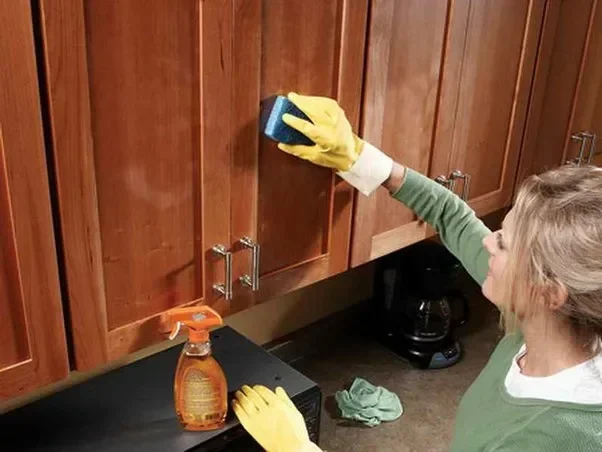
Finding the right cleaner for kitchen grease is easier than you think. You can use everyday items like baking soda, vinegar, and dish soap to break down stubborn grease on your cabinets. Whether your cabinets are wood, laminate, or painted, this guide shows you the fastest and safest ways to get them spotless again.
Grease on kitchen cabinets is one of those annoying problems that sneaks up on you. One day your cabinets look fine, and the next day they feel sticky and look dull. Cooking grease builds up over time, especially around the stove and oven areas. Whether you have wood cabinets, laminate cabinets, or painted surfaces, grease finds a way to stick around.
The good news is that you do not need expensive or complicated products to get the job done. There are many simple and effective ways to tackle grease on your cabinets. In this article, we will walk you through the best products and methods for what to use to clean grease off kitchen cabinets. You will learn about homemade solutions, store-bought options, and pro tips that make the process fast and easy.
By the end of this guide, you will know exactly which cleaner works best for your cabinet type and how to use it safely. No more scrubbing for hours or worrying about damaging your cabinets. Let us get those cabinets looking clean and shiny again.
Key Takeaways
- Dish soap and warm water work great for light grease on kitchen cabinets.
- Baking soda paste is a powerful natural degreaser for tough stains.
- Vinegar and water solution cuts through grease fast without harsh chemicals.
- Commercial degreaser sprays are best for heavy, built-up grease on cabinet surfaces.
- Microfiber cloths trap grease better than paper towels and protect cabinet finishes.
- Regular cleaning prevents grease buildup and keeps cabinets looking new longer.
- Always test cleaners on a small hidden area before applying to the entire surface.
📑 Table of Contents
Why Kitchen Cabinets Get So Greasy
Understanding why grease builds up on your cabinets helps you choose the right cleaning method. Grease comes from cooking oils, steam, and food particles that float through the air while you cook. Over time, these tiny particles settle on every surface, especially your cabinets.
The Science Behind Grease Buildup
Grease is made of fats and oils from cooking. When you fry, sauté, or bake, these particles become airborne. They cool down and stick to surfaces. Cabinets near the stove and oven collect the most grease. This is called grease buildup, and it gets worse if you cook often or use a lot of oil.
Grease bonds differently to different materials. Wood cabinets absorb grease into the finish, making it harder to remove. Laminate and painted cabinets have a smoother surface, so grease sits on top and is easier to wipe off. Knowing your cabinet material helps you pick the best cleaning approach.
Best Homemade Cleaners for Grease Removal
Before you buy anything, try these simple homemade cleaners. They are cheap, safe, and work surprisingly well for kitchen grease removal. Most of these ingredients are already in your kitchen.
Dish Soap and Warm Water
This is the simplest and most effective method for light grease on cabinets. Dish soap is designed to break down oils, so it works great on kitchen surfaces.
Here is how to do it:
- Mix a few drops of dish soap into a bowl of warm water.
- Dip a microfiber cloth into the solution and wring it out.
- Wipe down the cabinet surfaces gently.
- Rinse the cloth and wipe again to remove soap residue.
- Dry with a clean cloth to prevent water spots.
This method works well for regular maintenance cleaning. It removes surface grease without any harsh chemicals. Use this approach at least once a week to prevent heavy buildup.
Baking Soda Paste
Baking soda is a natural grease dissolver that works on tougher stains. It is mildly abrasive, so it lifts grease without scratching most cabinet surfaces.
To make a baking soda paste:
- Mix three parts baking soda with one part water.
- Stir until it forms a thick paste.
- Apply the paste to greasy areas on your cabinets.
- Let it sit for 10 to 15 minutes.
- Scrub gently with a soft cloth in circular motions.
- Wipe clean with a damp cloth and dry thoroughly.
Baking soda cleaner is perfect for stubborn grease stains that dish soap alone cannot handle. It is also safe for most cabinet finishes, but always test on a small hidden spot first.
Vinegar and Water Solution
White vinegar is a powerful natural cleaning product that cuts through grease quickly. Its acidity breaks down oil molecules, making them easy to wipe away.
Mix equal parts white vinegar and warm water in a spray bottle. Spray the solution onto greasy cabinet surfaces and let it sit for a few minutes. Then wipe with a microfiber cloth. For extra cleaning power, add a few drops of dish soap to the vinegar mixture.
This vinegar cleaning solution is excellent for kitchen cabinet maintenance between deep cleanings. It leaves no residue and has a fresh scent once it dries.
Homemade Degreaser Spray
For a stronger homemade degreaser, try this combination:
- 1 cup hot water
- 2 tablespoons white vinegar
- 1 tablespoon dish soap
- 5 drops of lemon essential oil (optional, for scent)
Shake well in a spray bottle and apply to greasy areas. Let it sit for 5 minutes, then wipe clean. This spray works great for grease removal techniques on both wood and laminate cabinets.
Best Commercial Products for Greasy Cabinets
When homemade cleaners are not enough, commercial products step up the game. These degreaser sprays and cleaners are formulated specifically for tough kitchen grease.
Top Store-Bought Degreasers
Here are some of the best commercial grease removers available:
- Dawn Powerwash Spray – A spray version of the trusted dish soap. It clings to surfaces and dissolves grease on contact. Great for weekly cabinet cleaning.
- Goo Gone Kitchen Degreaser – A heavy-duty cleaner designed for kitchen grease. It works on baked-on grime and is safe for most sealed surfaces.
- Method Daily Granite + Cabinet Cleaner – A gentle but effective cleaner for cabinet surfaces. It is ammonia-free and safe for everyday use.
- Krud Kutter Cabinet and Wood Cleaner – A dedicated wood-safe degreaser that penetrates deep into grease without damaging the finish.
- Simple Green All-Purpose Cleaner – An eco-friendly option that cuts through grease effectively. Safe for most cabinet materials.
How to Choose the Right Product
Not all degreasers are the same. Here is a quick guide to help you choose:
- For light grease: Use a mild all-purpose cleaner or the dish soap method above.
- For moderate grease: Try a spray degreaser like Dawn Powerwash or Method Daily Granite.
- For heavy, caked-on grease: Go with Goo Gone or Krud Kutter for the strongest cleaning power.
- For wood cabinets: Always choose a product labeled safe for wood finishes.
- For painted cabinets: Avoid abrasive or harsh chemical cleaners that can strip paint.
When using any commercial cleaning product, always follow the instructions on the label. Wear gloves if the product suggests it, and make sure your kitchen is well-ventilated.
Cleaning Grease Off Different Cabinet Materials
The material of your cabinets determines which cleaning methods are safe. Using the wrong cleaner can damage finishes, discolor surfaces, or strip away protective layers.
Wood Cabinets
Wood cabinets are beautiful but require gentle care. Grease can seep into the wood grain over time, making it harder to clean. For wood cabinet cleaning:
- Start with the mildest method first (dish soap and water).
- Use a soft cloth, never a rough sponge or scrubber.
- Avoid soaking the wood. Wipe with a damp cloth, not a wet one.
- Dry immediately after cleaning to prevent water damage.
- For tough grease, use a baking soda paste and scrub very gently.
After cleaning, you can apply a wood-safe polish to restore shine and protect the finish. This is an important part of kitchen cabinet care that many people overlook.
Laminate Cabinets
Laminate cabinets have a smooth, non-porous surface that makes grease cleanup easier. Grease sits on top rather than soaking in. You can use a wider range of cleaners on laminate, including vinegar solutions and commercial degreasers.
However, avoid abrasive scrubbers that can scratch the laminate surface. Stick to soft cloths and microfiber materials for the best results.
Painted Cabinets
Painted cabinets add a pop of color to your kitchen, but grease can dull the finish over time. For painted cabinet cleaning:
- Use gentle, non-abrasive cleaners only.
- Avoid ammonia-based products, which can fade paint.
- Test any new cleaner on a hidden spot first.
- Wipe with a damp cloth rather than spraying directly on the surface.
- Dry immediately to prevent water marks on the paint.
Thermofoil and PVC Cabinets
These cabinets have a vinyl-like surface that is easy to wipe down. However, they can be sensitive to certain chemicals. Stick to mild soap and water or a diluted vinegar solution. Avoid products with harsh solvents that can cause the material to peel or crack.
Step-by-Step Process for Deep Cabinet Cleaning
A quick wipe-down works for light grease, but sometimes your cabinets need a deeper clean. Here is a step-by-step process for deep kitchen cleaning of your cabinets.
Step 1: Gather Your Supplies
Before you start, collect everything you need:
- Your chosen cleaner (homemade or commercial)
- Soft microfiber cloths (at least 3-4)
- A soft-bristle brush or old toothbrush
- A bucket of warm water
- Rubber gloves
- A dry towel for finishing
Step 2: Remove Items from Cabinets
Take everything out of the cabinets you are cleaning. This gives you full access to all surfaces and prevents items from getting wet or dirty during cleaning.
Step 3: Dust and Wipe Down
Use a dry microfiber cloth to remove loose dust and debris from cabinet surfaces. This prevents the dust from mixing with your cleaner and creating mud.
Step 4: Apply Cleaner
Spray or apply your chosen cleaning solution for grease to a cloth, not directly onto the cabinet. This prevents excess moisture from seeping into edges and joints. Work in small sections for the best results.
Step 5: Scrub Gently
For tough grease spots, use a soft-bristle brush or an old toothbrush. Work in gentle circular motions. Do not press too hard, especially on wood or painted surfaces.
Step 6: Rinse and Dry
Wipe away cleaner residue with a damp cloth rinsed in clean water. Then dry each surface immediately with a clean, dry cloth. This prevents water spots and keeps your cabinets looking great.
Quick Tips and Common Mistakes
Quick Tips for Faster Grease Cleaning
Here are some easy cleaning hacks that save time and effort:
- Clean your cabinets right after cooking when grease is still soft and fresh.
- Keep a spray bottle of vinegar solution near the stove for quick wipe-downs.
- Use a hairdryer on a warm setting to soften baked-on grease before cleaning.
- Clean cabinet doors by removing them if the hinges allow easy detachment.
- Replace microfiber cloths frequently so you are always using a clean, effective surface.
Common Mistakes to Avoid
Avoid these mistakes that can damage your cabinets or make cleaning harder:
- Using too much water: Excess moisture can warp wood and damage cabinet joints. Always wring out cloths well.
- Skipping the test spot: Even safe cleaners can react with certain finishes. Always test first.
- Using abrasive pads: Steel wool or rough scrubbers can scratch and dull cabinet surfaces.
- Igning the top of cabinets: Grease rises and settles on top cabinets too. Do not forget these often-overlooked areas.
- Using the wrong product on wood: Harsh chemicals can strip wood finishes and cause permanent damage.
- Letting grease sit too long: The longer grease sits, the harder it is to remove. Regular cleaning prevents buildup.
Expert Insights on Cabinet Care
Professional cleaners recommend a simple routine: wipe down cabinets weekly with a mild soap solution and do a deeper clean once a month. This prevents sticky grease buildup from becoming a major problem. For kitchens with heavy cooking activity, consider cleaning cabinets every two weeks.
Experts also suggest applying a protective wax or sealant to wood cabinets every few months. This creates a barrier that makes future grease cleanup much easier. It is a small step that pays off in the long run for kitchen cabinet maintenance.
Preventing Grease Buildup on Cabinets
Cleaning is important, but prevention is even better. Here are simple ways to reduce grease on your cabinets:
- Use a range hood or exhaust fan while cooking to capture airborne grease particles.
- Cover pots and pans when frying to reduce splatter.
- Wipe down cabinets after cooking sessions with a damp cloth.
- Keep a cleaning spray near the stove for quick touch-ups.
- Clean cabinet handles and knobs regularly, as they collect the most grease from hands.
These small habits make a big difference over time. They keep your cabinets looking clean longer and reduce the need for deep cleaning sessions.
Conclusion
What to use to clean grease off kitchen cabinets depends on the severity of the grease and the type of cabinets you have. For light grease, simple dish soap and water work perfectly. For tougher buildup, baking soda paste, vinegar solutions, or commercial degreasers get the job done. Always match your cleaning method to your cabinet material to avoid damage.
The key to clean cabinets is consistency. Regular cleaning with gentle methods prevents grease from building up and becoming a nightmare. Whether you prefer homemade cleaners or store-bought products, the tips in this guide give you everything you need to keep your cabinets looking their best.
Start with the simplest method and work your way up if needed. Your cabinets will thank you, and your kitchen will feel fresh and welcoming again. Grab a cloth and some dish soap, and get started today.
Frequently Asked Questions
Can I use bleach to clean grease off kitchen cabinets?
Bleach is not recommended for grease removal on cabinets. It does not effectively break down oils and can damage cabinet finishes, especially on wood and painted surfaces. Stick to degreasers, dish soap, or vinegar-based cleaners for safer and more effective results.
How often should I clean grease off my kitchen cabinets?
For most kitchens, a quick wipe-down once a week and a deeper clean once a month is enough. If you cook frequently or use a lot of oil, consider cleaning every two weeks. Regular cleaning prevents heavy grease buildup and keeps your cabinets looking great.
Is vinegar safe for all cabinet materials?
Vinegar is generally safe for laminate, painted, and thermofoil cabinets. However, it can damage natural stone or unsealed wood over time due to its acidity. Always test vinegar on a small hidden area first, and avoid using it on sensitive or specialty finishes.
What is the best degreaser for kitchen cabinets?
The best degreaser depends on your cabinet type and the level of grease. Krud Kutter and Goo Gone are top choices for heavy grease, while Dawn Powerwash works well for regular maintenance. For a natural option, a baking soda paste or vinegar solution is effective and safe for most surfaces.
Can I use a magic eraser on greasy cabinets?
Magic erasers can work on grease but are mildly abrasive. They are safe for sealed laminate and painted cabinets but should be used with caution on wood finishes. Always wet the eraser and use gentle pressure to avoid damaging the cabinet surface or removing the finish.
How do I remove sticky grease from wood cabinets without damaging them?
Start with a mild dish soap and warm water solution applied to a soft microfiber cloth. For sticky residue, make a baking soda paste and apply it gently to the affected area. Let it sit for 10 minutes, then wipe away with a damp cloth. Avoid soaking the wood and dry immediately after cleaning.