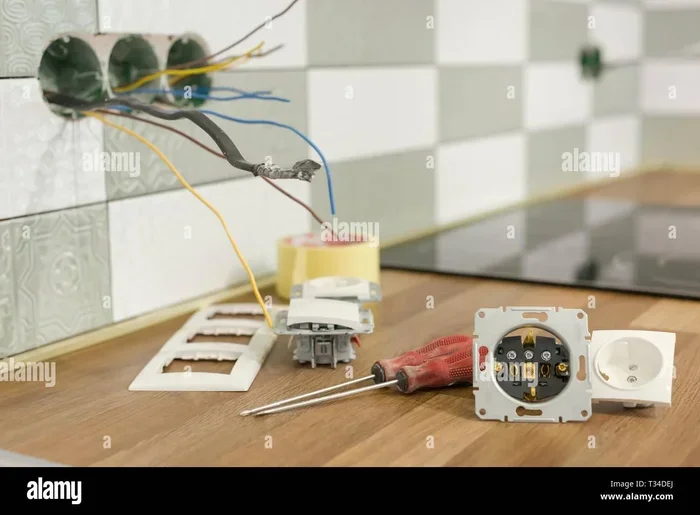
Do all kitchen outlets need to be GFCI? The short answer is no, but most of them do. The National Electrical Code requires GFCI protection for outlets near water sources, countertops, and specific areas in your kitchen. Understanding these rules keeps your family safe and your home up to code.
Have you ever stood in your kitchen and wondered about the electrical outlets around you? Maybe you were plugging in a toaster near the sink or setting up a coffee maker on your island counter. At that moment, a thought might have crossed your mind: do all kitchen outlets need to be GFCI?
This is a question many homeowners ask, especially during a kitchen remodel or when preparing for an electrical inspection. The answer matters because it directly affects your familys safety. Electrical hazards in the kitchen are real, and GFCI outlets are one of the simplest ways to prevent them.
In this guide, we will walk through everything you need to know about GFCI protection in the kitchen. We will cover the electrical code, which outlets need it, which ones dont, and how to tell if your current outlets are already GFCI protected. By the end, you will feel confident and informed.
Lets start with the basics so you understand exactly what a GFCI outlet is and why it plays such a big role in kitchen electrical safety.
Key Takeaways
- GFCI outlets save lives: They shut off power in milliseconds when a ground fault is detected, preventing electrocution.
- Most kitchen outlets need GFCI protection: Countertop outlets, outlets near sinks, and island outlets all require it under NEC code.
- Not every outlet in the kitchen needs one: Dedicated circuits for appliances like refrigerators may have exceptions depending on your setup.
- Older kitchens may not be compliant: Homes built before the 1970s often lack GFCI outlets, which is a common safety gap.
- Testing your GFCI outlets regularly is essential: A simple monthly test ensures they still work properly.
- Portable GFCI adapters are a quick fix: If you cant install GFCI outlets everywhere, these adapters offer temporary protection.
- Hiring a licensed electrician is the safest route: Complex electrical work should always be left to professionals.
📑 Table of Contents
- What Is a GFCI Outlet and Why Does It Matter?
- The National Electrical Code Rules for Kitchen Outlets
- Which Kitchen Outlets Must Be GFCI Protected?
- Exceptions: When GFCI May Not Be Required
- GFCI vs. AFCI Outlets: What Is the Difference?
- How to Tell If Your Kitchen Outlets Are GFCI Protected
- Tips for Installing GFCI Outlets in Your Kitchen
- Common Mistakes Homeowners Make With Kitchen Outlets
- The Cost of Upgrading to GFCI Outlets
- Final Thoughts on Kitchen GFCI Protection
What Is a GFCI Outlet and Why Does It Matter?
A GFCI outlet stands for Ground Fault Circuit Interrupter. It is a special type of electrical outlet designed to protect you from electric shock. When it detects an imbalance in the electrical current, it cuts the power within milliseconds. That speed is what makes it so effective at preventing serious injuries.
Think of it like a super-fast safety switch. If water comes into contact with an electrical appliance plugged into a regular outlet, the current could travel through your body. A GFCI outlet senses that leak in the current and shuts everything off before that can happen.
This is why kitchen electrical safety relies so heavily on these outlets. Kitchens are wet environments. You have sinks, dishwashers, refrigerators with ice makers, and sometimes even indoor herb gardens that need watering. All of these water sources create potential shock hazards.
How Does a GFCI Outlet Work?
The technology behind a ground fault circuit interrupter is clever but simple. It constantly monitors the flow of electricity going out and coming back through the circuit. If the amounts dont match even by a tiny amount, the GFCI trips and cuts the power.
For example, imagine you are using a blender near the sink. A splash of water hits the cord or the outlet. The electricity starts to flow through the water toward your body. The GFCI detects this imbalance and shuts off the power in about one-thirtieth of a second. That is fast enough to save your life.
Regular outlets do not have this capability. They simply provide power as long as the circuit is complete. There is no built-in mechanism to detect or respond to faults. This is the key difference that makes GFCI outlets essential in any room with water.
Why the Kitchen Is a High-Risk Area
The kitchen is one of the most electrically demanding rooms in any home. You likely have multiple appliances running at once: the microwave, the toaster, the coffee maker, the dishwasher, and more. Add water to the mix, and the risk level goes up significantly.
According to the Consumer Product Safety Commission, thousands of electrical injuries happen in kitchens every year. Many of these involve outlets that are not GFCI protected. The combination of electrical devices and moisture creates a perfect storm for accidents.
This is exactly why the National Electrical Code has specific rules for kitchen outlet requirements. The code was written to protect homeowners, renters, and families from preventable electrical injuries.
The National Electrical Code Rules for Kitchen Outlets
The NEC code, or National Electrical Code, is the standard for safe electrical installation in the United States. It is updated every three years by the National Fire Protection Association. Most states adopt the latest version or a version that is only one or two years behind.
If you are asking yourself, do all kitchen outlets need to be GFCI, the NEC provides the definitive answer. But the answer is not a simple yes or no. It depends on where the outlet is located in the kitchen.
When Did GFCI Protection Become Required?
The NEC first required GFCI protection for kitchen countertop outlets in 1987. Before that, many homes were built without them. If you live in an older home, there is a good chance your kitchen outlets are not GFCI protected. This does not necessarily mean your home is dangerous, but it does mean you should consider upgrading.
Here is a quick timeline of when GFCI requirements expanded:
- 1971: GFCI protection was first required for outdoor outlets.
- 1975: Bathroom outlets were added to the requirement.
- 1978: Garage outlets became subject to GFCI rules.
- 1987: Kitchen countertop outlets were added to the list.
- 2020: Pantry and laundry room outlets were also included.
As you can see, the rules have expanded over time. If your kitchen was built or last renovated before 1987, there is a strong chance some outlets are not GFCI protected. This is a common issue that comes up during home inspections.
Understanding the Latest NEC Code for Kitchens
The most recent version of the NEC requires GFCI protection for all kitchen countertop outlets. This includes any outlet that is within 24 inches of a sink or water source. It also covers outlets on kitchen islands and peninsulas.
The code also requires GFCI protection for outlets in the following kitchen-adjacent areas:
- Dining rooms that are part of a kitchen space
- Pantries used for food storage
- Breakfast rooms connected to the kitchen
- Countertop surfaces above or near wet areas
The goal is simple: keep electricity away from water sources wherever food is prepared. This is the core principle behind all GFCI requirements in the home.
Which Kitchen Outlets Must Be GFCI Protected?
Now that you understand the general rules, let us get specific. Not every outlet in the kitchen is treated the same way. Some absolutely must have GFCI protection, while others fall into different categories.
Countertop Outlets
Any outlet that serves a countertop surface must be GFCI protected. This is the most straightforward rule in the NEC code. Whether the outlet is on the wall behind the counter or built into the countertop itself, it needs GFCI protection.
This includes outlets for small kitchen appliances like toasters, blenders, and mixers. If an outlet is within 24 inches of a sink, it absolutely must have a GFCI outlet installed.
Island and Peninsula Outlets
Kitchen islands and peninsulas have become very popular in modern home design. These features often include outlets for convenience. The NEC code treats these the same as countertop outlets. If an island has a countertop surface, any outlet on or above it must be GFCI protected.
Many homeowners overlook this during a kitchen remodel. They focus on the design and forget about electrical safety. If you are planning a renovation, make sure your electrician includes GFCI outlets for any island or peninsula counters.
Outlets Near the Sink
Outlets that are within 24 inches of a kitchen sink must be GFCI protected. This is a specific distance requirement from the NEC code. The reason is obvious: water and electricity are a dangerous combination.
This rule applies to both sides of the sink. If you have outlets on the left and right of your kitchen sink, both need GFCI protection. Even if those outlets are not on a countertop, the proximity to water triggers the requirement.
Dishwasher Outlets
Your dishwasher is connected to water and electricity every single day. The outlet that powers it must be GFCI protected under current NEC code. This is true even if the outlet is tucked behind the dishwasher and not easily visible.
If you have an older dishwasher, check whether its outlet is GFCI protected. Many homes built before the 1990s do not meet this requirement. Upgrading is inexpensive and adds a significant layer of safety.
Garbage Disposal Outlets
Garbage disposals are another water-adjacent appliance in the kitchen. The outlet that powers a garbage disposal should also be GFCI protected. While some inspectors may not flag this as strictly as countertop outlets, it is a best practice for safety.
Because the disposal is connected to your sink and plumbing, there is always a chance of water exposure. GFCI protection ensures that any electrical fault is quickly interrupted.
Exceptions: When GFCI May Not Be Required
Here is where things get a little more nuanced. Not every outlet in the kitchen is required to be GFCI protected. The NEC code makes specific exceptions. Understanding these can help you plan your kitchen electrical setup without overspending.
Dedicated Appliance Circuits
Some appliances are connected to dedicated circuits. These are outlets that serve only one appliance and are wired directly to the electrical panel. In some cases, a dedicated circuit for a large appliance like a built-in refrigerator may not require a GFCI outlet.
However, this depends on the specific appliance and the local code amendments in your area. Some jurisdictions require GFCI protection for all kitchen outlets, regardless of whether they are on a dedicated circuit. Always check with your local building department or a licensed electrician.
Outlets Behind Refrigerators
Built-in refrigerators are a common exception in many NEC code versions. Because a refrigerator is a large, stationary appliance that should not be frequently unplugged, it may not require GFCI protection in certain situations.
That said, if the refrigerator is on a countertop or within 24 inches of a sink, the rules change. The proximity to water overrides the dedicated appliance exception. Always verify the exact requirements for your situation.
Hardwired Appliances
Some kitchen appliances are hardwired directly into the electrical system rather than plugged into an outlet. Examples include certain range hoods and built-in ovens. These do not use a standard outlet, so the GFCI outlet requirement does not apply to them in the same way.
However, hardwired appliances still must comply with other electrical safety requirements. A qualified electrician should always handle hardwired appliance installations.
Local Code Amendments
The NEC code is a national standard, but local governments can adopt their own amendments. Some cities and counties have stricter electrical requirements than the NEC. Others may be more lenient in certain areas.
This is why it is always a good idea to check with your local building inspector before making electrical changes. They can tell you exactly what is required in your jurisdiction. Ignoring local amendments can lead to failed inspections or safety issues.
GFCI vs. AFCI Outlets: What Is the Difference?
You may have heard of AFCI outlets or Arc Fault Circuit Interrupters. These are different from GFCI outlets, and understanding the difference is important for your kitchen electrical setup.
What Is an AFCI Outlet?
An AFCI outlet protects against arc faults. An arc fault happens when electricity jumps across a gap in a damaged wire. This can cause sparks and start electrical fires. AFCI outlets detect these arcs and shut off the power before a fire can start.
GFCI outlets protect against shock hazards. AFCI outlets protect against fire hazards. They are two different types of protection that address two different types of electrical dangers.
Do You Need Both?
The NEC code now requires AFCI protection for most kitchen circuits. This means your kitchen outlets need both GFCI and AFCI protection in many cases. The good news is that combination GFCI/AFCI outlets are available. They provide both types of protection in a single outlet.
These combination outlets are becoming the standard for new kitchen construction and renovations. They are slightly more expensive than standard GFCI outlets, but the added safety is well worth the cost.
How to Tell If Your Kitchen Outlets Are GFCI Protected
If you are not sure whether your kitchen outlets are GFCI protected, there are a few easy ways to find out. You do not need to be an electrician to check.
Look for the Test and Reset Buttons
The easiest way to identify a GFCI outlet is by looking at the face of the outlet. GFCI outlets have two buttons in the center: a “Test” button and a “Reset” button. Regular outlets do not have these buttons.
If you see these buttons on any of your kitchen outlets, that outlet is GFCI protected. However, this does not mean all outlets in the kitchen are protected. GFCI outlets can be wired to protect other outlets downstream on the same circuit.
Check for Labels
Some electricians place a label on the electrical panel or near the outlet to indicate GFCI protection. Look for stickers or tags that say “GFCI Protected” or “No Equipment Ground.” These labels provide helpful information about your kitchen electrical setup.
Use a Circuit Tester
A simple circuit tester from any hardware store can tell you whether an outlet is GFCI protected. Just plug it in and press the test button. If the tester indicates that the outlet is GFCI protected, you are good to go.
Hire a Professional for a Full Check
If you want a thorough assessment, hire a licensed electrician. They can check every outlet in your kitchen and verify GFCI protection throughout. They will also look for any code violations or safety issues you might have missed.
This is especially important if you are buying or selling a home. A professional electrical inspection can uncover hidden safety issues and give you peace of mind.
Tips for Installing GFCI Outlets in Your Kitchen
If your kitchen needs GFCI outlets, you have options. You can install them yourself if you are comfortable with basic electrical work, or you can hire a professional. Either way, here are some practical tips to keep in mind.
Turn Off the Power First
Always turn off the power at the circuit breaker before working on any outlet. Use a voltage tester to confirm the power is off. Never assume a circuit is dead just because you flipped the switch.
Label Your GFCI Outlets
After installation, label each GFCI outlet clearly. This makes it easy to identify which outlets are protected and which are not. It also helps during future electrical work or inspections.
Test Monthly
GFCI outlets can wear out over time. The internal mechanism that trips the outlet can become less sensitive. Test every GFCI outlet in your kitchen once a month by pressing the test button and then the reset button.
Consider Combination GFCI/AFCI Outlets
For the best protection, use combination outlets that offer both GFCI and AFCI protection. They cost a bit more but provide comprehensive safety for your kitchen.
Do Not Overload Circuits
GFCI outlets do not make it safe to overload a circuit. Avoid plugging too many high-wattage appliances into one outlet or circuit. Spread the load across multiple outlets to prevent tripping and overheating.
Replace Old Outlets Promptly
If you find old, non-GFCI outlets in your kitchen, replace them as soon as possible. The cost of a GFCI outlet is typically under $20, and the installation is straightforward for most electricians. Delaying replacement leaves your family exposed to unnecessary risk.
Common Mistakes Homeowners Make With Kitchen Outlets
Even well-meaning homeowners can make mistakes when it comes to kitchen electrical safety. Here are a few common ones to avoid.
- Assuming all outlets are GFCI protected: Just because one outlet has test and reset buttons does not mean every outlet in the kitchen is protected.
- Ignoring the 24-inch rule: Outlets within 24 inches of a sink must be GFCI protected, even if they are not on a countertop.
- Using non-GFCI adapters: Plugging a GFCI adapter into a non-GFCI outlet is better than nothing, but it is not a permanent solution.
- Skipping the test button: Many people install GFCI outlets and never test them again. Monthly testing is essential.
- Overlooking local code differences: National code is a baseline, but local amendments may be stricter. Always verify with your local building department.
The Cost of Upgrading to GFCI Outlets
One of the biggest concerns homeowners have is cost. The good news is that upgrading to GFCI outlets is very affordable. A single GFCI outlet costs between $15 and $25 for the part alone. If you hire an electrician, the total cost per outlet typically ranges from $75 to $150, including labor.
For a standard kitchen that needs 4 to 6 GFCI outlets, you could be looking at a total cost of $300 to $900. This is a small price to pay for the safety and peace of mind it provides.
Keep in mind that the cost can vary based on your location, the complexity of the installation, and whether you need to upgrade your electrical panel. Always get a quote from a licensed professional before committing to the work.
Final Thoughts on Kitchen GFCI Protection
So, do all kitchen outlets need to be GFCI? The answer is that most of them do, but not every single one. The NEC code is clear about which outlets require GFCI protection, and understanding these rules helps you keep your kitchen safe and compliant.
Whether you are renovating an old kitchen, building a new one, or simply checking your current setup, GFCI protection should be a top priority. The small investment in GFCI outlets pays off in safety and peace of mind.
Take the time to inspect your kitchen outlets today. Test the ones you have, replace the ones that are outdated, and make sure your family is protected. Electrical safety in the kitchen is not something to take lightly. A few simple steps now can prevent serious accidents later.
Stay proactive, stay informed, and make your kitchen a safer place for everyone who uses it.
Frequently Asked Questions
What does GFCI stand for?
GFCI stands for Ground Fault Circuit Interrupter. It is a type of electrical outlet designed to protect against electric shock by quickly cutting off power when it detects a ground fault. These outlets are essential in areas where water and electricity are close together.
Can I install GFCI outlets myself?
If you have basic electrical knowledge and feel comfortable working with wiring, you can install a GFCI outlet yourself. However, hiring a licensed electrician is always the safest option. Electrical work can be dangerous, and improper installation can create serious hazards.
How often should I test my GFCI outlets?
You should test your GFCI outlets once a month. Simply press the test button to trip the outlet, then press the reset button to restore power. If the outlet does not trip or reset, it needs to be replaced immediately.
Are GFCI outlets required in all kitchens?
GFCI outlets are required for most kitchen outlets under the NEC code, but there are exceptions. Outlets on dedicated circuits for certain large appliances may not require GFCI protection, depending on your local code. Always check with your local building department for the exact requirements in your area.
What happens if my kitchen is not GFCI compliant?
If your kitchen is not GFCI compliant, you may fail a home inspection or face safety risks. Non-compliant outlets increase the chance of electrical shock, especially near water sources. Many insurance companies also require GFCI compliance for coverage.
Is a portable GFCI adapter a good solution?
A portable GFCI adapter can be a useful temporary solution, but it is not a substitute for permanently installed GFCI outlets. These adapters are great for renters or for occasional use, but they should not be relied on as a long-term safety measure in a kitchen.
=== CONCLUSION ===
Do all kitchen outlets need to be GFCI? Most of them do, and now you know exactly why and which ones require it. GFCI protection is one of the most important safety features in any modern kitchen. It protects your family from electrical shock and keeps your home up to code.
Take action today. Check your kitchen outlets, test the GFCI ones you already have, and plan any upgrades you need. Your kitchen is the heart of your home, and it deserves to be safe.