Glass kitchen storage containers transform how you organize, store, and prepare food. They are non-toxic, reusable, and eco-friendly alternatives to plastic. This guide covers everything from types and benefits to care tips and buying advice.
Glass kitchen storage containers are one of the simplest upgrades you can make in your home. They keep food fresh, look great on your shelves, and make life so much easier. If you have been using plastic bins or disposable bags, it is time to switch.
In this guide, we will walk you through everything you need to know. You will learn about the different types of glass kitchen storage containers, their benefits, how to choose the right ones, and how to care for them. By the end, you will feel confident about making the switch to glass.
Glass has been used in kitchens for centuries. From old-fashioned canning jars to modern meal prep boxes, glass never goes out of style. It is a material that is safe, clean, and endlessly useful. Whether you are a busy parent, a meal prep pro, or someone who just wants a tidier kitchen, glass storage has something for you.
One thing that surprises many people is how versatile glass really is. You can cook with it, store in it, freeze in it, and even serve food from it. Some people use glass containers to store dry goods like pasta, rice, and yes, even ingredients for dishes like Mongolian beef glass noodles. The transparency of glass also helps you see what you have, which cuts down on food waste. You will always know what is in the back of the fridge.
Key Takeaways
- Safer Material: Glass is non-toxic and free from harmful chemicals like BPA.
- Long-Lasting Durability: Quality glass containers last for years with proper care.
- Versatile Use: They work in the fridge, freezer, oven, and microwave.
- Eco-Friendly Choice: Switching to glass reduces plastic waste in your kitchen.
- Easy to Clean: Glass does not stain or absorb odors like plastic.
- Meal Prep Friendly: Glass containers make weekly meal planning simple and efficient.
📑 Table of Contents
- Why Glass Kitchen Storage Containers Are Worth It
- Types of Glass Kitchen Storage Containers
- How to Choose the Best Glass Containers for Your Kitchen
- Glass Containers for Meal Prep and Everyday Cooking
- Cleaning and Maintaining Your Glass Containers
- Common Mistakes to Avoid with Glass Storage
- Expert Insights on Switching to Glass Storage
- Conclusion
Why Glass Kitchen Storage Containers Are Worth It
They Are Safer for Your Health
Plastic containers can leach chemicals into your food, especially when heated. This is a real concern for many families. Glass kitchen storage containers are made from natural materials. They do not contain BPA, phthalates, or other harmful substances. You can heat food in glass without worrying about toxins mixing into your meal.
This makes glass a top choice for families with young children. It is also a better option if you reheat leftovers in the container. With glass, what you see is what you get. No hidden chemicals, no mystery residue.
They Last Much Longer Than Plastic
Plastic containers warp, crack, and stain over time. You have probably thrown away a plastic bin that turned yellow or developed a weird smell. Glass containers do not have this problem. High-quality glass storage for kitchen use can last for years, even with daily wear and tear.
You save money in the long run because you do not need to replace them often. A good set of glass containers is an investment that pays off. Think of it as buying once and using for years.
They Are Better for the Environment
Every year, billions of pounds of plastic end up in landfills and oceans. By choosing reusable glass containers, you reduce your plastic footprint. Glass is 100% recyclable and can be reused thousands of times.
Many people find that switching to glass inspires other eco-friendly changes in their kitchen. It becomes a small but meaningful step toward a more sustainable lifestyle. You are not just organizing your fridge. You are making a positive choice for the planet.
Types of Glass Kitchen Storage Containers
Glass Meal Prep Containers
Meal prep containers are designed with compartments to keep different foods separate. They are perfect for lunches, snacks, and weekly planning. Glass meal prep containers come in various sizes and often include lids that are leak-proof. This means you can pack soups, sauces, and dressings without any spills.
Many meal prep containers are stackable, which saves space in your fridge and pantry. Look for sets that include different sizes so you can store everything from a side of vegetables to a full entrée. Some even come with dividers that make portion control easy.
Glass Storage Jars
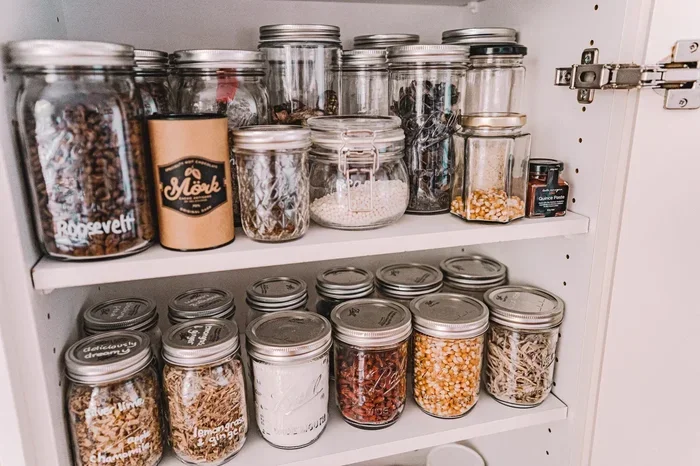
Glass jars are a classic kitchen staple. They come in many shapes and sizes, from small jelly jars to large pantry containers. Glass storage jars are excellent for dry goods like flour, sugar, oats, and spices. They also work well for leftovers, sauces, and homemade pickles.
You can find jars with airtight seals that keep food fresh for longer. The clear glass lets you see contents easily, which helps with organization. Many people love the aesthetic of uniform glass jars on open shelves. It gives the kitchen a clean, curated look.
Glass Casserole and Baking Dishes
Glass casserole dishes do double duty as storage and cooking vessels. You can prep a dish, store it in the fridge, and then bake it right in the same container. Oven-safe glass containers are a huge time-saver and reduce the number of dishes you need to wash.
Look for dishes made from borosilicate glass, which handles temperature changes well. This type of glass is less likely to break when moving from the fridge to the oven. Always check the manufacturer’s guidelines before putting glass in a hot oven.
How to Choose the Best Glass Containers for Your Kitchen
Check the Glass Type
Not all glass is created equal. The best glass food storage containers are made from borosilicate or tempered glass. Borosilicate glass is heat-resistant and durable. Tempered glass is treated to be stronger and more shatter-resistant.
Avoid thin, low-quality glass that chips easily. When shopping, read the product description carefully. Look for terms like “oven-safe,” “freezer-safe,” and “dishwasher-safe.” These labels tell you the container can handle different kitchen tasks.
Look for Airtight and Leak-Proof Lids
The container is only as good as its lid. A poor seal means air gets in, which spoils food faster. Choose glass containers with airtight lids that create a tight seal. Silicone gaskets on lids add an extra layer of protection against leaks.
Lids should be easy to open and close, even with wet hands. Some brands use snap-lock mechanisms that are very reliable. Test the seal before buying if possible, or read reviews to see what other users say about lid performance.
Consider Size and Shape
Every kitchen is different, so think about your space and needs. Tall, rectangular containers fit well in most fridge doors. Square containers maximize shelf space. Round containers are great for soups and sauces.
Buy a mix of sizes to handle different tasks. Small jars work for snacks and spices. Medium containers are perfect for lunches. Large containers hold big batch meals and family-sized portions. Stackable glass storage options are especially helpful in small kitchens.
Think About Your Budget
Glass containers range from affordable to premium. You do not need to spend a fortune to get good quality. Many budget-friendly options are durable and functional. Set a realistic budget and focus on getting a core set of sizes you will use often.
Remember that glass containers pay for themselves over time. You will not need to replace them every few months like plastic. Investing in a good set now saves you money and frustration later.
Glass Containers for Meal Prep and Everyday Cooking
Simplify Your Weekly Meal Planning
Meal prep is easier when you have the right tools. Glass containers for meal prep let you portion out breakfasts, lunches, and dinners in advance. You can prepare five days of lunches on Sunday and store them in the fridge. When morning comes, just grab a container and go.
Glass works beautifully for both cooked and raw ingredients. You can store chopped vegetables, marinated proteins, and cooked grains all in separate containers. The clear glass helps you quickly identify what is inside without opening the lid.
Store Leftovers Without the Plastic
Leftovers are a common part of everyday cooking. Instead of wrapping them in plastic wrap or tossing them in disposable containers, use glass. Glass leftover storage keeps food tasting better and lasts longer in the fridge.
Glass does not absorb stains or odors the way plastic does. That means your tomato sauce container will not turn orange permanently. Your leftover curry will not make the container smell funny the next week. This is one of the most practical benefits of switching to glass.
Cook and Store in the Same Container
One of the best features of glass kitchen storage containers is that many are safe for cooking. You can brown meat on the stove, add vegetables, and then transfer the whole dish to the oven. After cooking, let it cool and store it right in the same container.
This reduces the number of pots and pans you need to wash. It also saves time during busy weeknights. Just reheat in the microwave or oven and enjoy. The versatility of glass makes it a true all-in-one kitchen tool.
Use Glass for Dry Goods and Pantry Organization
Glass containers are fantastic for pantry storage. Transfer flour, sugar, rice, and pasta into matching glass jars. This keeps your pantry looking neat and organized. You will also be able to see at a glance what you have and what you need to buy.
Some people store ingredients for recipes like Mongolian beef glass noodles in glass containers to keep everything fresh and visible. Noodles, sauces, and spices all benefit from airtight glass storage. This approach keeps your pantry clean and your ingredients ready to use.
Freezer-Friendly Glass Storage
Not all glass is freezer-safe, but many high-quality containers are. Freezer-safe glass containers let you prep meals in bulk and freeze them for later. This is a game-changer for busy families who want home-cooked meals on hand.
Leave some headspace when freezing liquids, as they expand when they turn to ice. Use containers specifically rated for freezer use to avoid cracking. When you are ready to eat, let the container thaw in the fridge overnight or reheat directly from frozen if the glass allows it.
Cleaning and Maintaining Your Glass Containers
Daily Cleaning Tips
Glass is one of the easiest materials to clean. Most glass kitchen storage containers are dishwasher-safe, which makes cleanup a breeze. If you hand wash them, warm soapy water and a soft sponge will do the job.
For stuck-on food, soak the container in warm water for a few minutes before washing. This softens the residue and makes scrubbing much easier. Avoid using steel wool or abrasive pads, as they can scratch the glass over time.
Removing Stains and Odors
Even though glass resists staining better than plastic, it can still develop discoloration over time. Turmeric, tomato sauce, and coffee are common culprits. A paste of baking soda and water works wonders for removing stains.
To eliminate odors, soak the container with a solution of vinegar and water. You can also leave a bowl of baking soda inside overnight. These simple methods keep your glass containers fresh and clean without any harsh chemicals.
Preventing Damage and Extending Lifespan
To get the most out of your glass food storage, handle them with care. Avoid sudden temperature changes, such as moving a container straight from the freezer to a hot stove. This thermal shock can cause glass to crack or shatter.
Store containers with their lids slightly open to allow air circulation and prevent moisture buildup. When stacking, place a cloth or paper towel between containers to prevent scratching. With proper care, quality glass containers can last a decade or more.
Common Mistakes to Avoid with Glass Storage
Using Non-Oven-Safe Glass in the Oven
Not every glass container is designed for high heat. Putting the wrong glass in the oven can cause it to break. Always check the label or packaging for oven-safe certification. When in doubt, transfer food to a known oven-safe dish before baking.
Ignoring Temperature Limits
Extreme temperatures are the enemy of glass. Do not place a cold glass container directly on a hot stove or under a hot broiler. Let the container come to room temperature first, or gradually warm it with lukewarm water before exposing it to heat.
Overfilling Containers
It is tempting to fill glass containers to the brim, especially when storing liquids. But liquids expand when frozen and can cause lids to pop off or containers to crack. Leave at least half an inch of space at the top, especially for freezer storage.
Using Damaged Containers
If a glass container has a chip, crack, or deep scratch, it is time to replace it. Damaged glass is more likely to break during use, which can be dangerous. Inspect your containers regularly and retire any that show signs of wear. This keeps your kitchen safe and your food protected.
Expert Insights on Switching to Glass Storage
Kitchen designers and food safety experts agree that glass is the superior choice for storage. According to food safety guidelines, glass is non-porous, meaning it does not harbor bacteria in surface scratches like plastic can. This makes glass inherently more hygienic for long-term food storage.
Professional organizers recommend using uniform glass containers for a cohesive look. Matching sets make shelves and fridges appear tidy and intentional. Start with a basic set of three or four sizes and expand as your needs grow. The key is to find containers that fit your lifestyle and kitchen space.
Many people who switch to glass say they never go back to plastic. The clarity, durability, and safety of glass make it a clear winner. Once you experience the difference, you will wonder why you ever used anything else.
Conclusion
Glass kitchen storage containers are a simple yet powerful upgrade for any kitchen. They are safer, more durable, and more eco-friendly than plastic alternatives. From meal prep to pantry organization, glass containers make every task easier and more enjoyable.
You now know the types available, how to choose the best ones, and how to care for them properly. You also understand the common mistakes to avoid and the expert-backed benefits of making the switch. The next step is simple. Pick a set of glass containers that fits your needs and start using them today. Your kitchen and your health will thank you.
Small changes lead to big results. Switching to glass storage is one of those changes that improves your daily routine in ways you might not expect. Give it a try and see the difference for yourself.
Frequently Asked Questions
Are glass kitchen storage containers safe for the microwave?
Yes, most glass storage containers are microwave-safe. Always check the label or manufacturer’s instructions before heating. Avoid containers with metallic accents or decorative elements that are not microwave-compatible.
Can I put glass storage containers in the freezer?
Many glass containers are freezer-safe, but not all of them. Look for containers specifically labeled as freezer-safe. Leave some headspace for expanding liquids, and avoid sudden temperature changes to prevent cracking.
How long do glass kitchen storage containers last?
With proper care, quality glass containers can last for many years. Tempered and borosilicate glass are especially durable. Replace any container that shows chips, cracks, or deep scratches to keep your kitchen safe.
Are glass containers better than plastic for the environment?
Yes, glass is a much more environmentally friendly option. It is 100% recyclable, reusable, and made from natural materials. Switching to glass reduces plastic waste and helps lower your overall environmental footprint.
Do glass storage containers stain over time?
Glass is much more resistant to staining than plastic. However, deeply pigmented foods like turmeric or tomato sauce can cause discoloration if left for extended periods. Most stains can be removed with a baking soda paste or a vinegar soak.
What is the best way to organize glass containers in a small kitchen?
Use stackable containers to save space. Store them with lids on a separate shelf or in a cabinet bin. Uniform sizes and shapes make stacking easier and keep your kitchen looking organized. A matching set is worth the investment for small spaces.