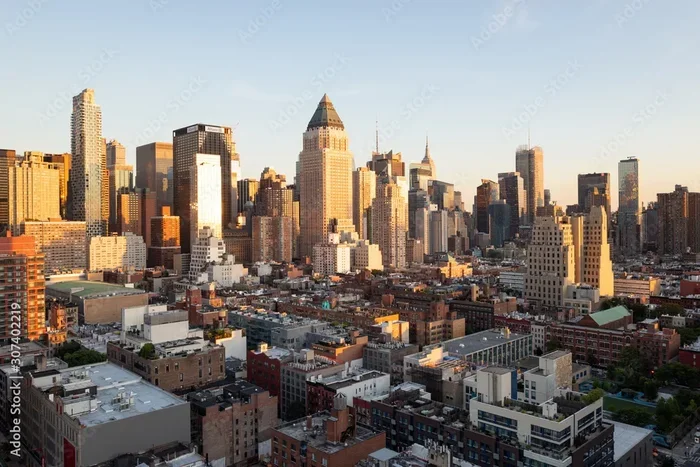
Hells Kitchen is one of Manhattan’s most famous neighborhoods, but its name has a surprisingly dark history. The origin of the name traces back to the late 1800s, tied to crime, poverty, and rough streets. In this article, you will discover the real story behind why Hells Kitchen got its infamous name, from gang wars to cultural transformation.
If you have ever walked through the streets of Midtown Manhattan, you may have noticed a neighborhood with a name that stops people in their tracks. Hells Kitchen is one of the most famous Manhattan neighborhoods, and its name sparks curiosity everywhere. So why is it called Hells Kitchen? The answer is not as simple as you might think.
The origin of the name goes back over a century. It involves crime, poverty, gangs, and a few wild stories that sound almost too dramatic to be true. But that is exactly what makes this neighborhood so fascinating. In this article, we will dive deep into the real story behind the name. You will learn about the dark history, the cultural transformation, and what Hells Kitchen looks like today.
Whether you are a history buff, a foodie, or someone planning a visit to Manhattan, this guide has something for you. We will cover everything from the neighborhood’s rough past to its modern-day restaurant scene. By the end, you will understand why Hells Kitchen earned its legendary name and why it still matters today.
Key Takeaways
- The name Hells Kitchen has multiple origin theories: including police officer accounts, gang warfare, and kitchen fires in overcrowded tenements
- The neighborhood was one of the most dangerous in Manhattan: dominated by gangs, crime, and extreme poverty in the 19th century
- Hells Kitchen transformed into a cultural hub: attracting artists, musicians, and performers starting in the 1950s
- Gentrification has reshaped the area: bringing luxury development but also displacing long-time residents
- The TV show Hell’s Kitchen boosted global awareness: but is filmed in Los Angeles, not in the real neighborhood
- The name reflects resilience: long-time residents see it as a symbol of survival and community strength
- Hells Kitchen today is a vibrant mix: of old-school character, diverse food, and modern urban living
📑 Table of Contents
The Origin of the Name Hells Kitchen
The question “why is it called Hells Kitchen” has puzzled people for decades. There is no single definitive answer. Instead, there are several theories, each with its own story. Let us explore the most popular explanations.
The Police Officer Theory
One of the most widely cited stories comes from the New York Police Department. According to this tale, a captain named Frank Kelly used to patrol the area in the late 1800s. He reportedly said the neighborhood was so tough that it felt like hell on earth. Some say he called it “Hells Kitchen” because the conditions were unbearable. Others claim he used the phrase to describe the criminals who lived there.
This theory is popular because it fits the era. The late 1800s were a time of extreme poverty in New York City. Many immigrants lived in cramped tenements with little hope of a better life. The area attracted people who were desperate and dangerous. It was not a place for the faint of heart.
The Gang Warfare Theory
Another theory points to the violent gang wars that plagued the neighborhood. In the 1870s and 1880s, gangs like the Dead Rabbits and the Bowery Boys fought for control of the streets. The fighting was brutal and often deadly. Neighbors lived in fear of crossfire and random violence.
People began calling the area “Hells Kitchen” because it felt like a literal hell on the streets. The crime rate was sky high. Robberies, murders, and assaults happened almost every day. The name stuck because it perfectly captured the chaos and danger of daily life in this crime history hotspot.
The Kitchen Fires Theory
A third theory is more literal. Many poor families in the neighborhood cooked in small, overcrowded kitchens. Fires were common because of faulty stoves and open flames. The smoke and flames pouring out of windows gave the area a hellish appearance. Some residents reportedly said it looked like kitchens in hell.
This theory has some merit. Tenement fires were a real problem in New York City during the 19th century. The 1835 and 1845 fires devastated large parts of the city. Smaller fires in residential areas were common too. The image of kitchens burning day and night could easily have inspired the name.
Comparison of Theories
| Theory | Time Period | Key Evidence | Likelihood |
|---|---|---|---|
| Police Officer Theory | Late 1800s | Captain Frank Kelly’s reported comments about the area being hell on earth | Moderate |
| Gang Warfare Theory | 1870s-1890s | Documented gang violence from groups like the Dead Rabbits and Whyos | High |
| Kitchen Fires Theory | Mid 1800s | Common tenement fires in NYC tenement buildings | Moderate |
| Combined Origin | Multiple periods | All factors contributed over decades to build the reputation | Most Likely |
Most historians believe the truth is a combination of all three theories. The name “Hells Kitchen” likely evolved over decades as different events reinforced the neighborhood’s dark reputation. The real story behind it is that no single moment created the name. Instead, it was the accumulation of crime, poverty, and danger that earned the neighborhood its infamous title.
The Dark Days: Gangs and Crime in Hells Kitchen
To understand why Hells Kitchen got its name, you need to understand what life was like there in the 1800s and early 1900s. The neighborhood was one of the most dangerous places in New York City. Gangs ruled the streets, and the police often struggled to keep order.
The Gang Era
Gangs were a way of life in Hells Kitchen during the 19th century. Young men joined gangs for protection, money, and a sense of belonging. The most famous gangs included the Dead Rabbits, the Whyos, and the Gopher Gang. Each group controlled different parts of the neighborhood.
The Dead Rabbits were known for their violent clashes with rival gangs. They fought in the streets using clubs, knives, and even early firearms. The Whyos were equally dangerous. They specialized in extortion, theft, and intimidation. The Gopher Gang was famous for its brutal attacks on anyone who crossed them.
These gangs made Hells Kitchen one of the most feared Manhattan neighborhoods. Tourists avoided the area. Even locals stayed indoors after dark. The name “Hells Kitchen” became a warning to outsiders: stay away. This gang warfare era defined the neighborhood’s reputation for generations.
Crime and Poverty
The crime in Hells Kitchen was closely linked to poverty. Most residents were immigrants from Ireland, Italy, and other parts of Europe. They arrived in New York with little money and few options. Many ended up living in cramped tenements in the neighborhood.
With no jobs and no support, some turned to crime to survive. Petty theft was common. More serious crimes like robbery and murder happened frequently. The police presence was limited, and corruption was widespread. Officers sometimes looked the other way in exchange for money.
This combination of poverty and crime created a cycle that was hard to break. Families struggled to escape the neighborhood. Children grew up surrounded by violence and desperation. The reputation of Hells Kitchen as a dangerous place became self-fulfilling. The immigrant community faced immense challenges but also built strong bonds of solidarity that would later fuel the neighborhood’s transformation.
Quick Tips: Understanding Hells Kitchen History
- Read books about New York City history to get a fuller picture of the neighborhood
- Visit the Museum of the City of New York for exhibits on Hells Kitchen and surrounding areas
- Take a walking tour led by local historians for firsthand stories about the old neighborhood
- Check out historical archives at the New York Public Library for original documents and photos
How Hells Kitchen Became a Cultural Powerhouse
Despite its dark past, Hells Kitchen underwent a remarkable transformation. By the mid-20th century, the neighborhood began attracting artists, musicians, and performers. This shift changed the identity of the area forever and turned it into a true cultural hub.
The Artistic Revolution
In the 1950s and 1960s, Hells Kitchen became a haven for artists and performers. The cheap rents attracted painters, actors, and writers who wanted to live and work in Manhattan without paying Midtown prices. The neighborhood developed a vibrant cultural scene that rivaled any in the city.
Theater companies set up shop in old warehouses and storefronts. Off-Broadway theaters sprang up on side streets, giving birth to some of the most innovative performances in American theater history. Musicians found cheap apartments above bars and clubs where they could play nightly. The area became known for its creative energy and alternative lifestyle.
Famous actors and directors lived in Hells Kitchen during this period. The neighborhood’s gritty reputation actually helped artists who wanted to explore dark themes in their work. The raw energy of the streets inspired plays, films, and music that would go on to influence American culture for decades. This urban transformation proved that even the roughest neighborhoods could become centers of creativity.
The Transformation Timeline
The change did not happen overnight. It took decades of effort from residents, artists, and community organizers. Here is a look at how the neighborhood evolved over time.
- 1800s: A rough neighborhood dominated by gangs, poverty, and violence
- 1920s-1940s: Immigration waves bring new cultures, cuisines, and traditions to the area
- 1950s-1960s: Artists and performers discover cheap rents and gritty atmosphere
- 1970s-1980s: Crime begins to decline as community efforts and policing improve
- 1990s-2000s: Gentrification accelerates with new development and rising property values
- 2010s-present: A mix of old-school character and modern luxury living
This timeline shows how far Hells Kitchen has come. The neighborhood that was once synonymous with danger and despair is now a sought-after place to live and visit. The cultural transformation is one of the most dramatic stories in New York City history. It shows how communities can reinvent themselves while still honoring their roots.
The Gentrification of Hells Kitchen
Like many neighborhoods in Manhattan, Hells Kitchen has experienced significant gentrification over the past few decades. This process has changed the character of the area in both positive and negative ways. Understanding this transformation is key to understanding the neighborhood today.
What Is Gentrification?
Gentrification happens when wealthier people move into a previously lower-income neighborhood. This brings new businesses, higher property values, and improved infrastructure. But it also pushes out long-time residents who can no longer afford to live there.
In Hells Kitchen, gentrification accelerated in the 1990s and 2000s. Luxury apartment buildings replaced old tenements. High-end restaurants opened on every corner. The Hells Kitchen real estate market boomed as people discovered the neighborhood’s proximity to Midtown Manhattan and the Hudson River waterfront.
The Impact on Long-Time Residents
Not everyone welcomed the changes. Many families who had lived in Hells Kitchen for generations were forced to leave as rents skyrocketed. The tight-knit community that had survived decades of hardship began to dissolve. The Clinton neighborhood identity, which some older residents still prefer, became harder to maintain as the area modernized.
Some longtime residents felt the neighborhood was losing its soul. The grit and character that had defined Hells Kitchen for over a century were being replaced by polished condos and chain stores. This tension between old and new is a common story in many New York City neighborhoods undergoing rapid change.
Common Mistakes People Make When Discussing Hells Kitchen Gentrification
- Assuming all change is bad: Gentrification has brought real improvements like safer streets, better schools, and improved city services
- Ignoring the human cost: Displacement of long-time residents is a serious concern that deserves attention and empathy
- Overgeneralizing the neighborhood: Not every part of Hells Kitchen has changed at the same pace or in the same way
- Forgetting the history: The neighborhood’s rough past is part of its identity and should not be erased by new development
- Confusing Hells Kitchen with Clinton: Some residents still use the name Clinton, and both names refer to the same area
The gentrification of Hells Kitchen is a complex issue. There are no easy answers. But understanding the history helps put the current changes in perspective. The neighborhood has always been in flux, and that is part of what makes it so interesting. The nightlife scene has also evolved, with new bars and clubs replacing old neighborhood joints, adding yet another layer to the neighborhood’s ever-changing identity.
Hells Kitchen Today: A Neighborhood Reborn
Today, Hells Kitchen is a vibrant and diverse neighborhood that blends old-world character with modern luxury. It is one of the most desirable places to live in Manhattan, and for good reason. The transformation from a dangerous ghetto to a thriving community is truly remarkable.
The Food Scene
One of the biggest draws of modern Hells Kitchen is its incredible food scene. The neighborhood is home to some of the best restaurants in New York City. From trendy bistros to classic delis, there is something for every palate and budget.
The Hells Kitchen food scene reflects the neighborhood’s diverse history. You can find authentic Italian trattorias next to trendy vegan cafes. Colombian bakeries sit alongside upscale sushi restaurants. This mix of flavors is a direct result of the waves of immigration that shaped the area over the decades. The restaurant scene here is one of the most dynamic in all of Manhattan.
Many of the restaurants in Hells Kitchen have become destinations in their own right. Food critics and locals alike flock to the area for dinner. The neighborhood has earned a reputation as one of the best places to eat in all of New York City. Whether you want a quick slice of pizza or an expensive tasting menu, Hells Kitchen delivers.
Living in Hells Kitchen
For those considering moving to the area, Hells Kitchen offers a unique living experience. The neighborhood is centrally located with easy access to the rest of Manhattan. The Hells Kitchen location provides convenient subway access and proximity to Times Square, the Hudson River, and Central Park.
However, living in Hells Kitchen comes with trade-offs. The cost of living is high. Rent prices have risen dramatically in recent years. The nightlife can be loud, especially on weekends. But for many residents, the energy and convenience of the neighborhood are worth it. The real estate market remains competitive, and apartments in the area command premium prices.
Expert Insights: What Locals Say About Hells Kitchen
“Hells Kitchen has always been a neighborhood of reinvention,” says Maria Torres, a lifelong resident and community organizer. “People say the name is dark, but for us, it represents survival. We took a rough neighborhood and made it our own. That spirit is still alive today.”
“The food scene is incredible now, but you can still find the old holes-in-the-wall that have been here for decades,” adds James Chen, a local restaurant owner. “That mix of old and new is what makes this place special. The Hells Kitchen culture is about resilience and reinvention.”
These perspectives highlight the duality of modern Hells Kitchen. It is both a place of progress and a place that honors its roots. The neighborhood transformation is ongoing, and residents play a key role in shaping its future. The community continues to evolve while maintaining a connection to its storied past.
The TV Show Named After the Neighborhood
No discussion of Hells Kitchen would be complete without mentioning the famous television show. Hell’s Kitchen, hosted by celebrity chef Gordon Ramsay, has brought the name to a global audience. But how much does the show actually have to do with the real neighborhood?
The Show’s Connection to the Real Hells Kitchen
The TV show Hell’s Kitchen is filmed in Los Angeles, not in New York City. The name was chosen by the producers because it evokes a sense of intensity, pressure, and high stakes. Gordon Ramsay uses the name to describe the high-pressure kitchen environment that contestants must endure.
However, the show has undeniably boosted awareness of the real Hells Kitchen neighborhood. Many tourists now visit Manhattan specifically because of the show. They want to see the streets and restaurants that share the famous name. The television connection has made the neighborhood even more recognizable around the world.
Why the Name Works for Both
The name “Hells Kitchen” works perfectly for both the neighborhood and the TV show. It suggests chaos, heat, and intensity. For the real neighborhood, it reflects a history of danger and grit. For the TV show, it represents the brutal world of professional cooking where only the strongest survive.
Interestingly, the name “Hells Kitchen” has become a universal metaphor for any high-pressure, chaotic environment. People use it to describe stressful workplaces, difficult situations, and competitive arenas. This shows how powerful a simple name can be when it captures something true about human experience. The cultural impact of the name extends far beyond the streets of Manhattan.
Conclusion: The Enduring Legacy of the Name
So why is it called Hells Kitchen? The answer is layered and complex. The name comes from a combination of crime, poverty, gang warfare, and the harsh living conditions that defined the neighborhood in the 19th century. Over time, Hells Kitchen has transformed from one of the most dangerous areas in New York City into a vibrant cultural hub and desirable place to live.
The real story behind the name is a testament to the resilience of the people who lived there. Generations of immigrants, artists, and community builders took a rough neighborhood and shaped it into something remarkable. Today, Hells Kitchen stands as a symbol of urban transformation and the power of community. The Hells Kitchen history reminds us that neighborhoods are never static, they are always evolving.
Whether you are visiting for the restaurants, exploring the history, or simply curious about the name, Hells Kitchen offers something for everyone. The neighborhood’s journey from danger to discovery is one of the most fascinating stories in Manhattan. And the name, for all its darkness, has become a badge of pride for the people who call it home. The Hells Kitchen origin story proves that even the toughest beginnings can lead to the most vibrant futures.
Frequently Asked Questions
What is the exact origin of the name Hells Kitchen?
There is no single confirmed origin. The most popular theories include a police captain who called the area hell on earth, the violent gang wars that plagued the streets, and kitchen fires in overcrowded tenements. Most historians believe the name evolved from a combination of these factors over several decades in the 19th century.
Is Hells Kitchen still a dangerous neighborhood?
No, Hells Kitchen is no longer considered a dangerous area. The crime rate has dropped significantly since the late 20th century thanks to community efforts and improved policing. Today it is one of the safer and more desirable neighborhoods in Manhattan, though like any busy urban area, visitors should always stay aware of their surroundings.
Where is Hells Kitchen located in New York City?
Hells Kitchen is located on the West Side of Manhattan, between 34th Street and 59th Street. It borders Times Square to the east and the Hudson River to the west. The neighborhood is also sometimes referred to as Clinton by some long-time residents who prefer the older name.
Why did Gordon Ramsay name his TV show after the neighborhood?
Gordon Ramsay chose the name Hell’s Kitchen because it evokes intensity, pressure, and high stakes. The TV show is filmed in Los Angeles, not in New York, but the name captures the chaotic and demanding environment of a professional kitchen. The connection to the real neighborhood is more about the spirit and reputation of the name than a direct geographic link.
What is the best time to visit Hells Kitchen?
The best time to visit Hells Kitchen is during the spring and fall when the weather is mild and the streets are lively. Weekends are great for exploring the restaurant scene and local shops along Ninth Avenue. Avoid major holiday periods if you prefer smaller crowds and better availability at popular restaurants.
How has gentrification affected Hells Kitchen?
Gentrification has brought significant changes to Hells Kitchen over the past few decades. New luxury buildings and high-end restaurants have transformed the skyline and the food scene. However, rising rents have displaced many long-time residents, and some feel the neighborhood is losing its original character. The debate over gentrification in Hells Kitchen continues to be an active and important conversation in the community.